Buy pratiques.eu ?
We are moving the project
pratiques.eu .
Are you interested in purchasing the domain
pratiques.eu ?
domain@kv-gmbh.de · 0541-91531010
Buy pratiques.eu ?
What is the difference between tensile stress and tensile strength?
Tensile stress is the internal resisting force per unit area within a material when subjected to a stretching force, while tensile strength is the maximum stress a material can withstand before breaking. In other words, tensile stress is the force applied to a material, while tensile strength is the material's ability to resist that force before failure. Tensile stress is a measure of the force distributed over a specific area, whereas tensile strength is a measure of the material's ability to withstand that force without breaking. **
'Pressure or Tensile Force?'
Pressure is a force applied perpendicular to the surface of an object, causing compression or squeezing. Tensile force, on the other hand, is a force applied to stretch or pull an object. The main difference between the two is the direction of the force applied - pressure is applied perpendicular to the surface, while tensile force is applied parallel to the surface. Both forces can cause deformation in materials, but in different ways. **
Similar search terms for Tensile
Top-Angebote
Products related to Tensile:
-
Uplifted Finds SUS Grade High Tensile Litter Sifting Module SUS Grade High Tensile Litter Sifting ModuleUpgrade your domestic sanitation logistics with the SUSGrade HighTensile Sifter, a professionalgrade maintenance tool engineered with heavygauge structural logic. This highutility module features a reinforced stainless steel architecture designed to...81,97 $*Shipping: 0,00 $Secure redirect to the provider
-
Uplifted Finds High Tensile Structural Reinforcement And Geometric Stabilization Interface 10 PcsInaugurate a direct energy for your environment with this integrated structural solution. This set of thickened stainless steel angle brackets serves as a functional choice for your cabinetry and furniture preservation journeys, offering a...31,97 $*Shipping: 0,00 $Secure redirect to the provider
-
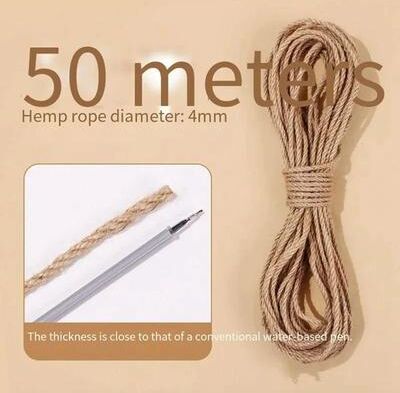
Uplifted Finds High Tensile Natural Sisal Restoration Coil 4 Mm 50 MetersRestore your pets favorite climbing and scratching surfaces with the Natural Sisal Restoration Coil, a professionalgrade material module engineered with highfriction structural logic. This highutility spool of organic sisal provides a...85,97 $*Shipping: 0,00 $Secure redirect to the provider
-
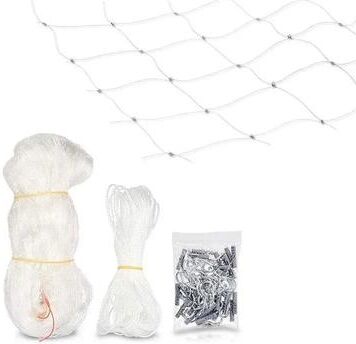
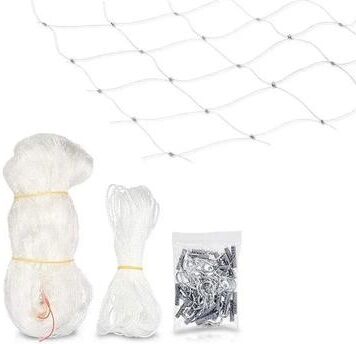
Uplifted Finds Fortress Guard High Tensile Safety Netting 4 X 3 MSecure your pets elevated vantage points with the Fortress Guard Safety System, a highreliability protective barrier engineered with fallprevention logic. This professionalgrade netting features a reinforced nylonsteel composite architecture,...203,97 $*Shipping: 0,00 $Secure redirect to the provider


-
What is a tensile test?
A tensile test is a type of mechanical test used to determine the strength and elasticity of a material. During the test, a sample of the material is pulled in opposite directions until it reaches its breaking point. The test measures the stress and strain on the material, providing valuable information about its mechanical properties such as ultimate tensile strength, yield strength, and elongation. Tensile tests are commonly used in engineering and material science to assess the quality and performance of materials for various applications. **
-
What is a head impact tensile test?
A head impact tensile test is a type of test used to measure the strength and durability of materials used in protective headgear, such as helmets. During the test, a sample of the material is subjected to a controlled impact or force, simulating the type of impact that could occur during a head injury. The test measures how well the material resists tearing or breaking under the force, providing valuable information about its ability to protect the head from injury. This type of testing is important for ensuring that helmets and other protective gear meet safety standards and can effectively protect against head impacts. **
-
What are compressive forces and tensile forces?
Compressive forces are forces that act to squeeze or compact an object, causing it to become shorter or more compact. Tensile forces, on the other hand, are forces that act to stretch or pull an object, causing it to become longer or more elongated. Both types of forces are important in understanding how materials respond to external loads and are critical in engineering and structural design. **
-
What is the tensile strength of steel?
The tensile strength of steel can vary depending on the grade and type of steel. However, on average, the tensile strength of steel ranges from 400 MPa to 2500 MPa. This high tensile strength is one of the reasons why steel is commonly used in construction and engineering applications where strength and durability are important. **

What is the tensile strength of a shackle?
The tensile strength of a shackle can vary depending on its size, material, and design. However, in general, shackles are designed to have a high tensile strength to withstand heavy loads and forces. For example, a standard 3/4 inch shackle made of carbon steel may have a tensile strength of around 4.75 tons, while a larger 1 inch shackle made of alloy steel could have a tensile strength of 17 tons or more. It is important to always check the manufacturer's specifications for the exact tensile strength of a specific shackle. **
What is the normal tensile stress cracking ratio?
The normal tensile stress cracking ratio, also known as the environmental stress cracking resistance (ESCR), is a measure of a material's resistance to cracking when subjected to tensile stress in the presence of specific environmental agents such as chemicals or solvents. The ratio is typically expressed as the number of hours a material can withstand stress without cracking when exposed to the specific environment. Different materials have different ESCR values, and it is an important factor to consider when selecting materials for applications where they may be exposed to harsh environments. **
Top-Angebote
Products related to Tensile:
-
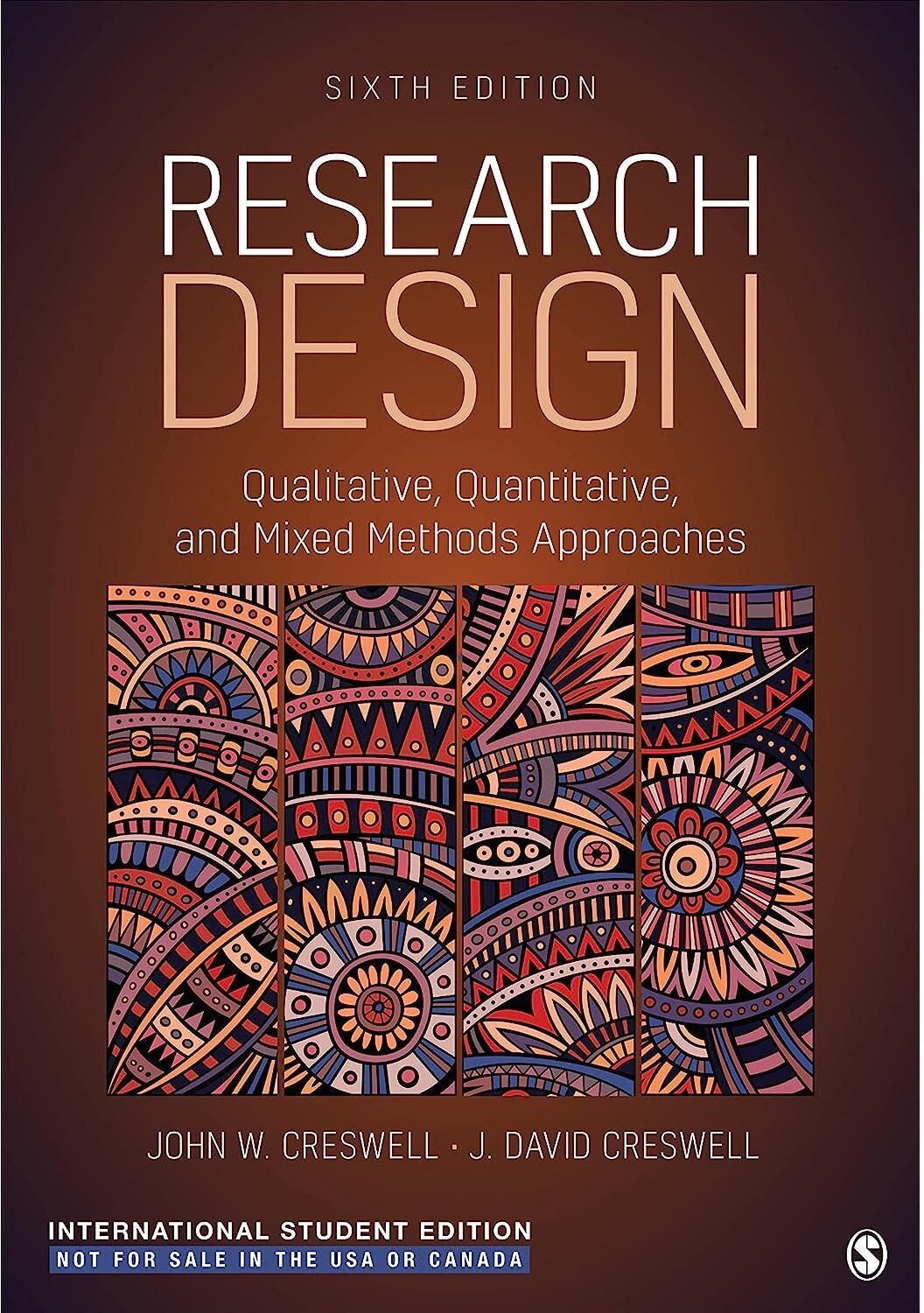
SAGE Publications Research Design - International Student Edition: Qualitative, Quantitative, and Mixed Methods ApproachesThe new edition of the best-selling text, Research Design: Qualitative, Quantitative, and Mixed Methods Approaches, continues the pioneering tradition of providing clear and concise instruction for understanding research and developing proposals for all three approaches. John W. Creswell and co-author J. David Creswell include a preliminary consideration of philosophical assumptions, a review of the literature, an assessment of the use of theory in research approaches, and reflections about the importance of writing and ethics in scholarly inquiry in a way that is applicable to all types of research. Key elements of the research process, giving specific attention to each approach. The book has been lauded for its language and tone, which are both accessible and inviting. It is a text that students keep and continue to use as a resource throughout their studies, once the specific class is over. The Sixth Edition includes more coverage of community-based participatory research, comparisons of qualitative and quantitative research, an expanded glossary with basic terms, updated examples of social, behavioural, and health research, new coverage of ethical requirements, updated APA 7th edition coverage, and additional exercises aimed at research projects.59,95 £*Shipping: 0,00 £Secure redirect to the provider
-
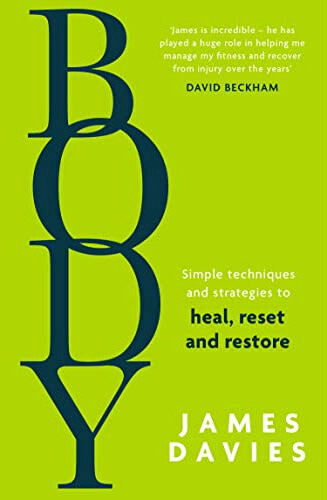
HQ Body: Simple techniques and strategies to heal, reset and restoreUltimate strategies to prevent pain and fuel your body to its fullest health potential. 'James is incredible - he has played a huge role in helping me manage my fitness and recover from injury over the years' David Beckham Simple techniques and strategies to HEAL From stress and anxiety, to everyday wear and tear and injury, life takes its toll on our bodies. Now, internationally renowned osteopath James Davies can help you heal your body. RESET With tips and tricks to help recognise, manage, and treat everyday aches and pains, this book will reset your approach to understanding your body. James presents a revolutionary blueprint for holistic body wellbeing. RESTORE Improve your wellbeing with exercises expertly designed to optimise your body. Enhance your health and mobility by understanding common conditions from arthritis and muscle strains, to IBS and stress, and empower yourself with the knowledge you need to achieve full-body health18,39 £*Shipping: 2,99 £Secure redirect to the provider
-
Uplifted Finds SUS Grade High Tensile Litter Sifting Module SUS Grade High Tensile Litter Sifting ModuleUpgrade your domestic sanitation logistics with the SUSGrade HighTensile Sifter, a professionalgrade maintenance tool engineered with heavygauge structural logic. This highutility module features a reinforced stainless steel architecture designed to...81,97 $*Shipping: 0,00 $Secure redirect to the provider
-
Uplifted Finds High Tensile Structural Reinforcement And Geometric Stabilization Interface 10 PcsInaugurate a direct energy for your environment with this integrated structural solution. This set of thickened stainless steel angle brackets serves as a functional choice for your cabinetry and furniture preservation journeys, offering a...31,97 $*Shipping: 0,00 $Secure redirect to the provider
-
What is the difference between tensile stress and tensile strength?
Tensile stress is the internal resisting force per unit area within a material when subjected to a stretching force, while tensile strength is the maximum stress a material can withstand before breaking. In other words, tensile stress is the force applied to a material, while tensile strength is the material's ability to resist that force before failure. Tensile stress is a measure of the force distributed over a specific area, whereas tensile strength is a measure of the material's ability to withstand that force without breaking. **
-
'Pressure or Tensile Force?'
Pressure is a force applied perpendicular to the surface of an object, causing compression or squeezing. Tensile force, on the other hand, is a force applied to stretch or pull an object. The main difference between the two is the direction of the force applied - pressure is applied perpendicular to the surface, while tensile force is applied parallel to the surface. Both forces can cause deformation in materials, but in different ways. **
-
What is a tensile test?
A tensile test is a type of mechanical test used to determine the strength and elasticity of a material. During the test, a sample of the material is pulled in opposite directions until it reaches its breaking point. The test measures the stress and strain on the material, providing valuable information about its mechanical properties such as ultimate tensile strength, yield strength, and elongation. Tensile tests are commonly used in engineering and material science to assess the quality and performance of materials for various applications. **
-
What is a head impact tensile test?
A head impact tensile test is a type of test used to measure the strength and durability of materials used in protective headgear, such as helmets. During the test, a sample of the material is subjected to a controlled impact or force, simulating the type of impact that could occur during a head injury. The test measures how well the material resists tearing or breaking under the force, providing valuable information about its ability to protect the head from injury. This type of testing is important for ensuring that helmets and other protective gear meet safety standards and can effectively protect against head impacts. **
Similar search terms for Tensile
-
Uplifted Finds High Tensile Natural Sisal Restoration Coil 4 Mm 50 MetersRestore your pets favorite climbing and scratching surfaces with the Natural Sisal Restoration Coil, a professionalgrade material module engineered with highfriction structural logic. This highutility spool of organic sisal provides a...85,97 $*Shipping: 0,00 $Secure redirect to the provider
-
Uplifted Finds Fortress Guard High Tensile Safety Netting 4 X 3 MSecure your pets elevated vantage points with the Fortress Guard Safety System, a highreliability protective barrier engineered with fallprevention logic. This professionalgrade netting features a reinforced nylonsteel composite architecture,...203,97 $*Shipping: 0,00 $Secure redirect to the provider
-
Uplifted Finds High Tensile Structural Reinforcement And Geometric Stabilization Interface 20 PcsInaugurate a direct energy for your environment with this integrated structural solution. This set of thickened stainless steel angle brackets serves as a functional choice for your cabinetry and furniture preservation journeys, offering a...51,97 $*Shipping: 0,00 $Secure redirect to the provider
-
Uplifted Finds Fortress Guard High Tensile Safety Netting 2 X 1.5 MSecure your pets elevated vantage points with the Fortress Guard Safety System, a highreliability protective barrier engineered with fallprevention logic. This professionalgrade netting features a reinforced nylonsteel composite architecture,...110,97 $*Shipping: 0,00 $Secure redirect to the provider
-
What are compressive forces and tensile forces?
Compressive forces are forces that act to squeeze or compact an object, causing it to become shorter or more compact. Tensile forces, on the other hand, are forces that act to stretch or pull an object, causing it to become longer or more elongated. Both types of forces are important in understanding how materials respond to external loads and are critical in engineering and structural design. **
-
What is the tensile strength of steel?
The tensile strength of steel can vary depending on the grade and type of steel. However, on average, the tensile strength of steel ranges from 400 MPa to 2500 MPa. This high tensile strength is one of the reasons why steel is commonly used in construction and engineering applications where strength and durability are important. **
-
What is the tensile strength of a shackle?
The tensile strength of a shackle can vary depending on its size, material, and design. However, in general, shackles are designed to have a high tensile strength to withstand heavy loads and forces. For example, a standard 3/4 inch shackle made of carbon steel may have a tensile strength of around 4.75 tons, while a larger 1 inch shackle made of alloy steel could have a tensile strength of 17 tons or more. It is important to always check the manufacturer's specifications for the exact tensile strength of a specific shackle. **
-
What is the normal tensile stress cracking ratio?
The normal tensile stress cracking ratio, also known as the environmental stress cracking resistance (ESCR), is a measure of a material's resistance to cracking when subjected to tensile stress in the presence of specific environmental agents such as chemicals or solvents. The ratio is typically expressed as the number of hours a material can withstand stress without cracking when exposed to the specific environment. Different materials have different ESCR values, and it is an important factor to consider when selecting materials for applications where they may be exposed to harsh environments. **
* All prices are inclusive of VAT and, if applicable, plus shipping costs. The offer information is based on the details provided by the respective shop and is updated through automated processes. Real-time updates do not occur, so deviations can occur in individual cases. ** Note: Parts of this content were created by AI.