Buy pratiques.eu ?
We are moving the project
pratiques.eu .
Are you interested in purchasing the domain
pratiques.eu ?
domain@kv-gmbh.de · 0541-91531010
Buy pratiques.eu ?
Telescope or binoculars?
It depends on what you want to use them for. If you are interested in stargazing and observing distant celestial objects, a telescope would be the better choice as it provides higher magnification and better image quality. However, if you are looking for a more versatile and portable option for birdwatching, wildlife observation, or even some stargazing, then binoculars would be the better choice. Ultimately, the decision should be based on your specific needs and interests. **
What are the disadvantages of the Galilean telescope compared to the terrestrial telescope or the prism telescope?
The Galilean telescope has a narrower field of view compared to the terrestrial telescope and the prism telescope. This limits the amount of sky that can be observed at one time. Additionally, the Galilean telescope suffers from chromatic aberration, which can cause color fringing around the edges of the observed objects. This is a disadvantage compared to the terrestrial telescope and the prism telescope, which can provide clearer and more accurate images. Finally, the Galilean telescope has a shorter focal length, which can limit its ability to gather light and produce bright images, especially when compared to the terrestrial telescope. **
Similar search terms for Telescope
Top-Angebote
Products related to Telescope:
-
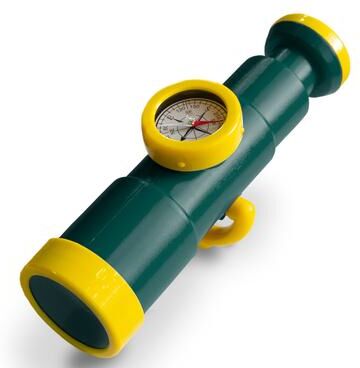
Swing-N-Slide Telescope with Working CompassThe Swing-N-Slide's Telescope with Working Compass and Mounting Bracket offers great fun and enjoyment. It is easy to install and features a simple design with a clear lens at the end for easy viewing.26,67 $*Shipping: 0,00 $Secure redirect to the provider
-
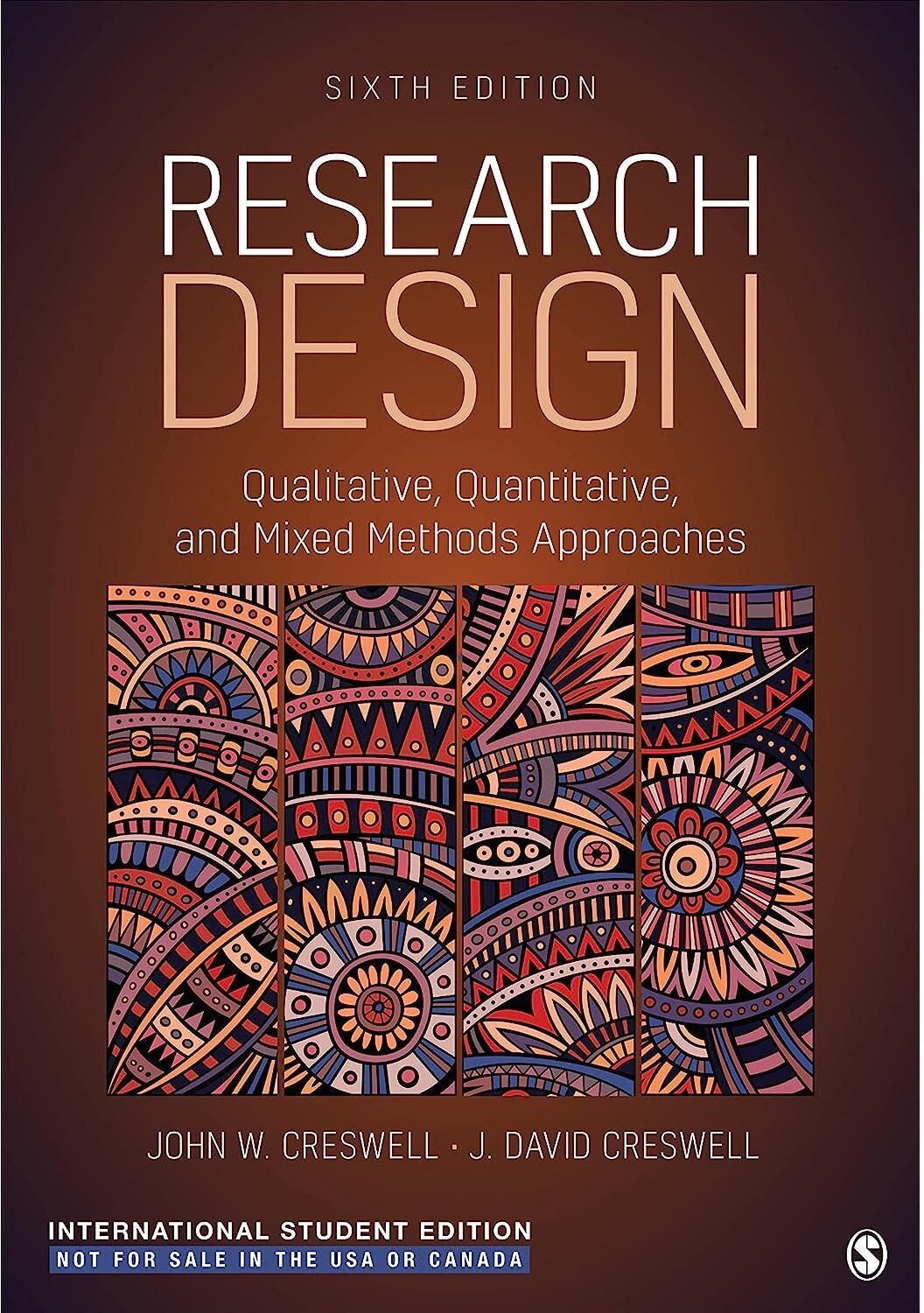
SAGE Publications Research Design - International Student Edition: Qualitative, Quantitative, and Mixed Methods ApproachesThe new edition of the best-selling text, Research Design: Qualitative, Quantitative, and Mixed Methods Approaches, continues the pioneering tradition of providing clear and concise instruction for understanding research and developing proposals for all three approaches. John W. Creswell and co-author J. David Creswell include a preliminary consideration of philosophical assumptions, a review of the literature, an assessment of the use of theory in research approaches, and reflections about the importance of writing and ethics in scholarly inquiry in a way that is applicable to all types of research. Key elements of the research process, giving specific attention to each approach. The book has been lauded for its language and tone, which are both accessible and inviting. It is a text that students keep and continue to use as a resource throughout their studies, once the specific class is over. The Sixth Edition includes more coverage of community-based participatory research, comparisons of qualitative and quantitative research, an expanded glossary with basic terms, updated examples of social, behavioural, and health research, new coverage of ethical requirements, updated APA 7th edition coverage, and additional exercises aimed at research projects.59,95 £*Shipping: 0,00 £Secure redirect to the provider

-
How is a simple refracting telescope constructed, such as Kepler's telescope?
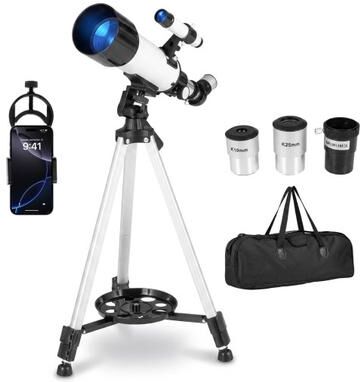
A simple refracting telescope, like Kepler's telescope, is constructed using two main components: a convex lens and a concave lens. The convex lens, also known as the objective lens, is placed at the end of the telescope closest to the object being observed. This lens gathers and focuses light rays to form an image. The concave lens, or eyepiece lens, is positioned at the opposite end of the telescope and magnifies the image formed by the objective lens, allowing the viewer to see a larger and clearer image. The two lenses are set at a specific distance from each other to ensure proper magnification and focus. **
-
Is this telescope good?
The quality of a telescope depends on its intended use and the specific features it offers. To determine if a telescope is good, consider factors such as its aperture size, magnification capabilities, optical quality, and ease of use. Additionally, reading reviews and seeking recommendations from experienced users can provide valuable insights into the performance and reliability of a particular telescope. Ultimately, the suitability of a telescope depends on the individual's needs and preferences. **
-
Doesn't the telescope focus?
Yes, the telescope does focus. The focusing mechanism of a telescope allows the user to adjust the position of the lenses or mirrors to bring the image into sharp focus. This is essential for observing distant objects with clarity and detail. By adjusting the focus, the user can ensure that the image is sharp and clear, allowing for a better viewing experience. **
-
Which telescope is it?
The telescope in question is the Hubble Space Telescope. It is a space telescope that was launched into low Earth orbit in 1990 and has provided some of the most detailed images of distant galaxies, nebulae, and other celestial objects. The Hubble Space Telescope has been instrumental in advancing our understanding of the universe and has made numerous groundbreaking discoveries in astronomy. **

Which lens for telescope?
When choosing a lens for a telescope, it is important to consider factors such as the focal length of the telescope, the desired magnification, and the type of objects you want to observe. A shorter focal length lens will provide higher magnification, while a longer focal length lens will offer a wider field of view. It is also important to choose a lens with good optical quality to ensure clear and sharp images. Ultimately, the best lens for your telescope will depend on your specific observing needs and preferences. **
Which telescope is better?
The answer to which telescope is better depends on the specific needs and preferences of the user. Reflecting telescopes are typically better for viewing fainter objects in the sky due to their larger apertures and better light-gathering capabilities. On the other hand, refracting telescopes are better for viewing planets and other bright objects with high contrast. Ultimately, the best telescope is the one that aligns with the user's observing goals and budget. **
Top-Angebote
Products related to Telescope:
-
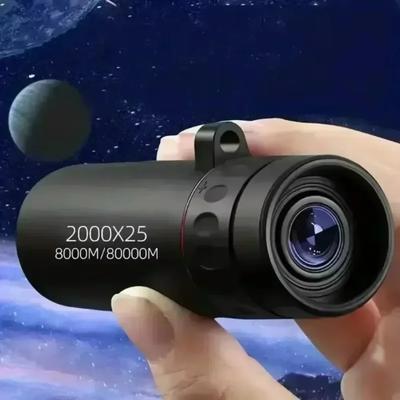
Combo Retail Shop Monocular Telescope Mini Portable Mobile Phone Telescope With Holder, Camping, Hunting, Bird Watching Telescope Monocular Telescope Mini Portable Mobile Phone Telescope With Holder, Camping, Hunting, Bird Watching TelescopeNew Monocular Telescope Mini Portable Mobile Phone Telescope with Holder for Camping, Hunting, Bird Watching Discover the world around you in stunning clarity with the New Monocular Telescope Mini Portable Mobile Phone Telescope with Holder. Whether...29,97 $*Shipping: 0,00 $Secure redirect to the provider
-
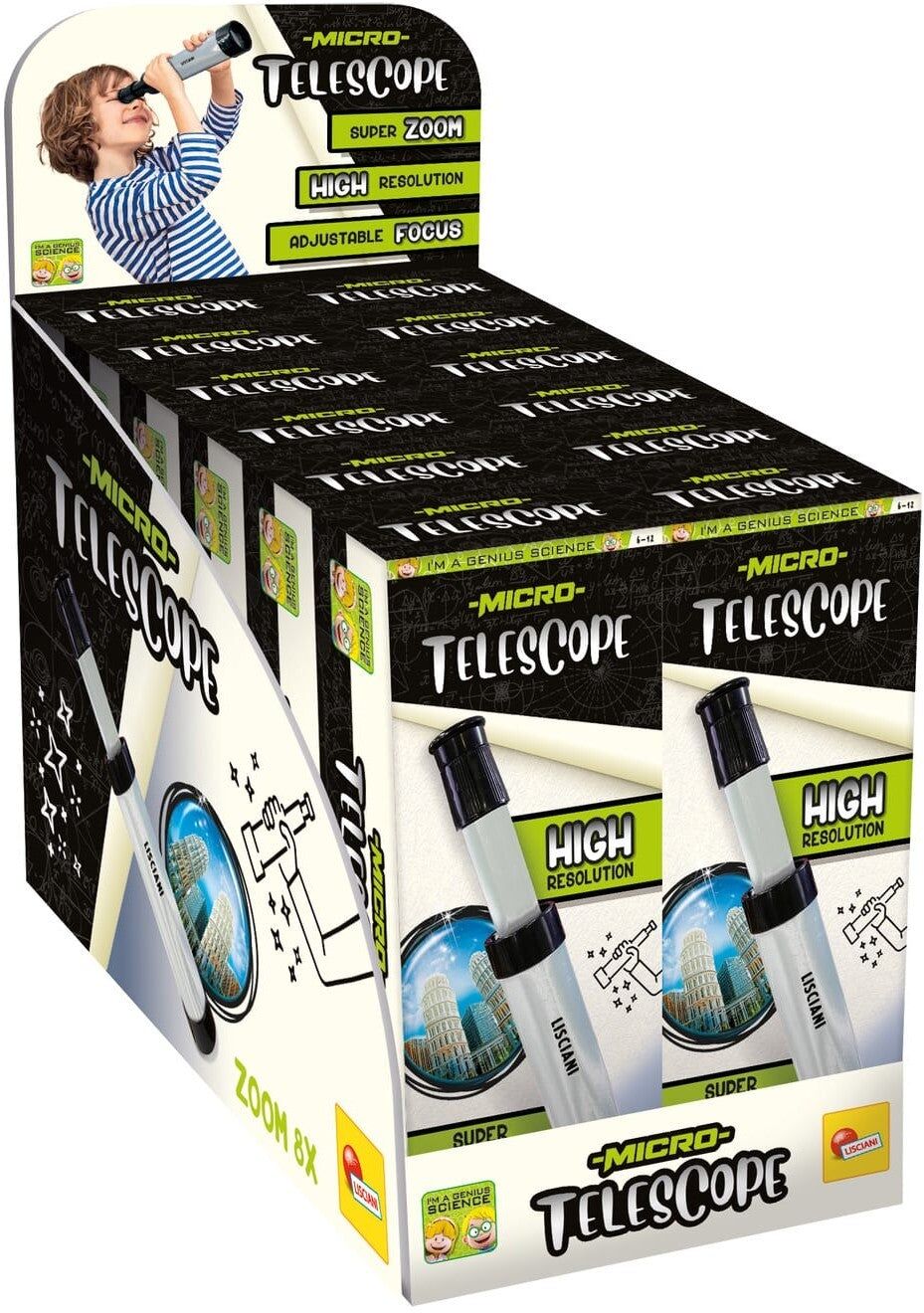
Lisciani I'm A Genius Mini Telescope - Small Lightweight Telescope for KidsCompact portable telescope designed for young curious explorers to discover the world of astronomy and outdoor science. Encourages observation skills, vocabulary, and scientific thinking through real-time exploration of surroundings.5,59 £*Shipping: 3,95 £Secure redirect to the provider
-
Swing-N-Slide Telescope with Working CompassThe Swing-N-Slide's Telescope with Working Compass and Mounting Bracket offers great fun and enjoyment. It is easy to install and features a simple design with a clear lens at the end for easy viewing.26,67 $*Shipping: 0,00 $Secure redirect to the provider
-
Telescope or binoculars?
It depends on what you want to use them for. If you are interested in stargazing and observing distant celestial objects, a telescope would be the better choice as it provides higher magnification and better image quality. However, if you are looking for a more versatile and portable option for birdwatching, wildlife observation, or even some stargazing, then binoculars would be the better choice. Ultimately, the decision should be based on your specific needs and interests. **
-
What are the disadvantages of the Galilean telescope compared to the terrestrial telescope or the prism telescope?
The Galilean telescope has a narrower field of view compared to the terrestrial telescope and the prism telescope. This limits the amount of sky that can be observed at one time. Additionally, the Galilean telescope suffers from chromatic aberration, which can cause color fringing around the edges of the observed objects. This is a disadvantage compared to the terrestrial telescope and the prism telescope, which can provide clearer and more accurate images. Finally, the Galilean telescope has a shorter focal length, which can limit its ability to gather light and produce bright images, especially when compared to the terrestrial telescope. **
-
How is a simple refracting telescope constructed, such as Kepler's telescope?
A simple refracting telescope, like Kepler's telescope, is constructed using two main components: a convex lens and a concave lens. The convex lens, also known as the objective lens, is placed at the end of the telescope closest to the object being observed. This lens gathers and focuses light rays to form an image. The concave lens, or eyepiece lens, is positioned at the opposite end of the telescope and magnifies the image formed by the objective lens, allowing the viewer to see a larger and clearer image. The two lenses are set at a specific distance from each other to ensure proper magnification and focus. **
-
Is this telescope good?
The quality of a telescope depends on its intended use and the specific features it offers. To determine if a telescope is good, consider factors such as its aperture size, magnification capabilities, optical quality, and ease of use. Additionally, reading reviews and seeking recommendations from experienced users can provide valuable insights into the performance and reliability of a particular telescope. Ultimately, the suitability of a telescope depends on the individual's needs and preferences. **
Similar search terms for Telescope
-
SAGE Publications Research Design - International Student Edition: Qualitative, Quantitative, and Mixed Methods ApproachesThe new edition of the best-selling text, Research Design: Qualitative, Quantitative, and Mixed Methods Approaches, continues the pioneering tradition of providing clear and concise instruction for understanding research and developing proposals for all three approaches. John W. Creswell and co-author J. David Creswell include a preliminary consideration of philosophical assumptions, a review of the literature, an assessment of the use of theory in research approaches, and reflections about the importance of writing and ethics in scholarly inquiry in a way that is applicable to all types of research. Key elements of the research process, giving specific attention to each approach. The book has been lauded for its language and tone, which are both accessible and inviting. It is a text that students keep and continue to use as a resource throughout their studies, once the specific class is over. The Sixth Edition includes more coverage of community-based participatory research, comparisons of qualitative and quantitative research, an expanded glossary with basic terms, updated examples of social, behavioural, and health research, new coverage of ethical requirements, updated APA 7th edition coverage, and additional exercises aimed at research projects.59,95 £*Shipping: 0,00 £Secure redirect to the provider
-
Tools, Home & Hobby Electric Drywall Sander, Foldable Sheetrock Sander With Telescope Handle, Variable Speed RPM, Wall Sander With LED Strip Electric Drywall Sander, Foldable Sheetrock Sander With Telescope Handle, Variable Speed RPM, Wall Sander With LEDPowerful Performance for Professional Finishes Achieve smooth, flawless walls effortlessly with the Electric Drywall Sander 850W. Engineered with a pure copper motor, it delivers consistent variable speed control from 800 to 1750 RPMgiving you the...169,97 $*Shipping: 0,00 $Secure redirect to the provider
-
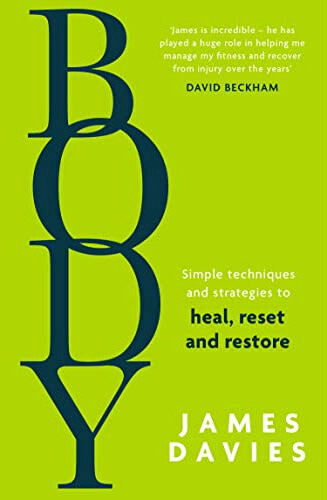
HQ Body: Simple techniques and strategies to heal, reset and restoreUltimate strategies to prevent pain and fuel your body to its fullest health potential. 'James is incredible - he has played a huge role in helping me manage my fitness and recover from injury over the years' David Beckham Simple techniques and strategies to HEAL From stress and anxiety, to everyday wear and tear and injury, life takes its toll on our bodies. Now, internationally renowned osteopath James Davies can help you heal your body. RESET With tips and tricks to help recognise, manage, and treat everyday aches and pains, this book will reset your approach to understanding your body. James presents a revolutionary blueprint for holistic body wellbeing. RESTORE Improve your wellbeing with exercises expertly designed to optimise your body. Enhance your health and mobility by understanding common conditions from arthritis and muscle strains, to IBS and stress, and empower yourself with the knowledge you need to achieve full-body health18,39 £*Shipping: 2,99 £Secure redirect to the provider
-
Doesn't the telescope focus?
Yes, the telescope does focus. The focusing mechanism of a telescope allows the user to adjust the position of the lenses or mirrors to bring the image into sharp focus. This is essential for observing distant objects with clarity and detail. By adjusting the focus, the user can ensure that the image is sharp and clear, allowing for a better viewing experience. **
-
Which telescope is it?
The telescope in question is the Hubble Space Telescope. It is a space telescope that was launched into low Earth orbit in 1990 and has provided some of the most detailed images of distant galaxies, nebulae, and other celestial objects. The Hubble Space Telescope has been instrumental in advancing our understanding of the universe and has made numerous groundbreaking discoveries in astronomy. **
-
Which lens for telescope?
When choosing a lens for a telescope, it is important to consider factors such as the focal length of the telescope, the desired magnification, and the type of objects you want to observe. A shorter focal length lens will provide higher magnification, while a longer focal length lens will offer a wider field of view. It is also important to choose a lens with good optical quality to ensure clear and sharp images. Ultimately, the best lens for your telescope will depend on your specific observing needs and preferences. **
-
Which telescope is better?
The answer to which telescope is better depends on the specific needs and preferences of the user. Reflecting telescopes are typically better for viewing fainter objects in the sky due to their larger apertures and better light-gathering capabilities. On the other hand, refracting telescopes are better for viewing planets and other bright objects with high contrast. Ultimately, the best telescope is the one that aligns with the user's observing goals and budget. **
* All prices are inclusive of VAT and, if applicable, plus shipping costs. The offer information is based on the details provided by the respective shop and is updated through automated processes. Real-time updates do not occur, so deviations can occur in individual cases. ** Note: Parts of this content were created by AI.