Buy pratiques.eu ?
We are moving the project
pratiques.eu .
Are you interested in purchasing the domain
pratiques.eu ?
domain@kv-gmbh.de · 0541-91531010
Buy pratiques.eu ?
How do self-perception and perception of others differ?
Self-perception refers to how an individual sees and evaluates themselves, including their abilities, traits, and behaviors. It is influenced by personal experiences, beliefs, and self-awareness. On the other hand, perception of others involves how individuals view and interpret the characteristics, behaviors, and intentions of other people. This perception is influenced by social and cultural factors, as well as personal biases and stereotypes. While self-perception is based on introspection and self-reflection, perception of others is often based on external observations and interactions. **
What is an objective perception and what is a subjective perception?
An objective perception is a perception that is based on factual, observable evidence and is not influenced by personal feelings or biases. It is a viewpoint that is not influenced by personal opinions or emotions, and is based on concrete, measurable data. On the other hand, a subjective perception is a perception that is influenced by personal opinions, emotions, and biases. It is based on individual experiences, beliefs, and feelings, and may vary from person to person. Subjective perceptions are often shaped by personal perspectives and can be influenced by cultural, social, and psychological factors. **


Similar search terms for Perception
Top-Angebote
Products related to Perception:
-
HQ Body: Simple techniques and strategies to heal, reset and restoreUltimate strategies to prevent pain and fuel your body to its fullest health potential. 'James is incredible - he has played a huge role in helping me manage my fitness and recover from injury over the years' David Beckham Simple techniques and strategies to HEAL From stress and anxiety, to everyday wear and tear and injury, life takes its toll on our bodies. Now, internationally renowned osteopath James Davies can help you heal your body. RESET With tips and tricks to help recognise, manage, and treat everyday aches and pains, this book will reset your approach to understanding your body. James presents a revolutionary blueprint for holistic body wellbeing. RESTORE Improve your wellbeing with exercises expertly designed to optimise your body. Enhance your health and mobility by understanding common conditions from arthritis and muscle strains, to IBS and stress, and empower yourself with the knowledge you need to achieve full-body health18,39 £*Shipping: 2,99 £Secure redirect to the provider
-
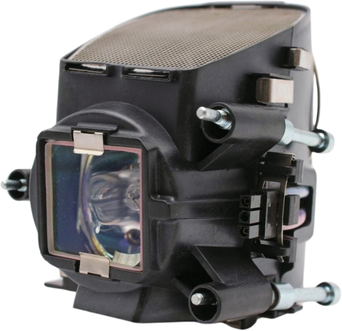
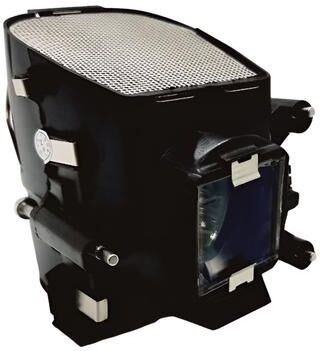
AL™ Series R9801265 Lamp & Housing for 3D Perception Projectors - 90 Day WarrantyNew aftermarket Lamp and Housing for the following Barco models: R9801265 Lamp Specifications Specifications Data Product Code R9801265 Part Type Lamp and Housing Warranty 90 Days Condition New Lamp Type Genuine AL™ Series Discounts Available...48,99 $*Shipping: 0,00 $Secure redirect to the provider
-
Jaspertronics™ Original R9801265 Lamp & Housing for 3D Perception Projectors - 1 Year WarrantyNew Jaspertronics™ Original Lamp & Housing Module for the following Barco models: R9801265 Lamp Specifications Specifications Data Product Code R9801265 Part Type Lamp and Housing Warranty Industry Leading 1 Year Warranty Condition New Lamp Type...119,99 $*Shipping: 0,00 $Secure redirect to the provider


-
What is the difference between self-perception and self-image perception?
Self-perception refers to how we see ourselves based on our own thoughts, feelings, and behaviors. It involves our internal understanding of who we are. On the other hand, self-image perception is how we believe others see us. It is influenced by external factors such as feedback from others, societal norms, and cultural expectations. In essence, self-perception is about how we view ourselves, while self-image perception is about how we think others view us. **
-
Do you know the difference between self-perception and external perception?
Self-perception refers to how we see ourselves, our thoughts, feelings, and beliefs about our own abilities and characteristics. External perception, on the other hand, is how others see us, their opinions, judgments, and observations about our behavior and traits. While self-perception is based on our own introspection and self-awareness, external perception is influenced by how others perceive and interact with us. Both self-perception and external perception play a role in shaping our self-concept and how we navigate social interactions. **
-
Is our perception real?
Our perception is a subjective interpretation of the world around us, influenced by our senses, experiences, and beliefs. While our perception feels real to us, it is important to recognize that it is not always an accurate representation of objective reality. Our perception can be influenced by cognitive biases, cultural conditioning, and individual differences, leading to variations in how different people perceive the same situation. Therefore, while our perception is real to us, it may not always align with an objective reality. **
-
What is mental perception?
Mental perception refers to the process by which the mind interprets and makes sense of sensory information from the environment. It involves the brain's ability to organize and interpret incoming stimuli, such as sights, sounds, and smells, in order to form a coherent understanding of the world around us. Mental perception also includes the ability to recognize patterns, make judgments, and form mental representations of the external world. This process is essential for our ability to navigate and interact with our surroundings. **

What are perception disorders?
Perception disorders are conditions that affect the way a person interprets and processes sensory information from their environment. This can include visual, auditory, tactile, olfactory, and gustatory perceptions. People with perception disorders may experience distortions in their sensory experiences, such as seeing or hearing things that are not there, or having difficulty recognizing familiar objects or faces. These disorders can have a significant impact on a person's daily functioning and may require treatment and support from healthcare professionals. **
What is cognitive perception?
Cognitive perception refers to the process by which individuals interpret and make sense of sensory information from their environment. It involves the mental processes of attention, memory, and reasoning to understand and interpret the world around us. Cognitive perception is influenced by factors such as past experiences, beliefs, and expectations, which can shape how we perceive and interpret sensory input. This process is essential for understanding and interacting with the world, as it allows us to make sense of the information we receive through our senses. **
Top-Angebote
Products related to Perception:
-
SAGE Publications Research Design - International Student Edition: Qualitative, Quantitative, and Mixed Methods ApproachesThe new edition of the best-selling text, Research Design: Qualitative, Quantitative, and Mixed Methods Approaches, continues the pioneering tradition of providing clear and concise instruction for understanding research and developing proposals for all three approaches. John W. Creswell and co-author J. David Creswell include a preliminary consideration of philosophical assumptions, a review of the literature, an assessment of the use of theory in research approaches, and reflections about the importance of writing and ethics in scholarly inquiry in a way that is applicable to all types of research. Key elements of the research process, giving specific attention to each approach. The book has been lauded for its language and tone, which are both accessible and inviting. It is a text that students keep and continue to use as a resource throughout their studies, once the specific class is over. The Sixth Edition includes more coverage of community-based participatory research, comparisons of qualitative and quantitative research, an expanded glossary with basic terms, updated examples of social, behavioural, and health research, new coverage of ethical requirements, updated APA 7th edition coverage, and additional exercises aimed at research projects.59,95 £*Shipping: 0,00 £Secure redirect to the provider
-
HQ Body: Simple techniques and strategies to heal, reset and restoreUltimate strategies to prevent pain and fuel your body to its fullest health potential. 'James is incredible - he has played a huge role in helping me manage my fitness and recover from injury over the years' David Beckham Simple techniques and strategies to HEAL From stress and anxiety, to everyday wear and tear and injury, life takes its toll on our bodies. Now, internationally renowned osteopath James Davies can help you heal your body. RESET With tips and tricks to help recognise, manage, and treat everyday aches and pains, this book will reset your approach to understanding your body. James presents a revolutionary blueprint for holistic body wellbeing. RESTORE Improve your wellbeing with exercises expertly designed to optimise your body. Enhance your health and mobility by understanding common conditions from arthritis and muscle strains, to IBS and stress, and empower yourself with the knowledge you need to achieve full-body health18,39 £*Shipping: 2,99 £Secure redirect to the provider
-
How do self-perception and perception of others differ?
Self-perception refers to how an individual sees and evaluates themselves, including their abilities, traits, and behaviors. It is influenced by personal experiences, beliefs, and self-awareness. On the other hand, perception of others involves how individuals view and interpret the characteristics, behaviors, and intentions of other people. This perception is influenced by social and cultural factors, as well as personal biases and stereotypes. While self-perception is based on introspection and self-reflection, perception of others is often based on external observations and interactions. **
-
What is an objective perception and what is a subjective perception?
An objective perception is a perception that is based on factual, observable evidence and is not influenced by personal feelings or biases. It is a viewpoint that is not influenced by personal opinions or emotions, and is based on concrete, measurable data. On the other hand, a subjective perception is a perception that is influenced by personal opinions, emotions, and biases. It is based on individual experiences, beliefs, and feelings, and may vary from person to person. Subjective perceptions are often shaped by personal perspectives and can be influenced by cultural, social, and psychological factors. **
-
What is the difference between self-perception and self-image perception?
Self-perception refers to how we see ourselves based on our own thoughts, feelings, and behaviors. It involves our internal understanding of who we are. On the other hand, self-image perception is how we believe others see us. It is influenced by external factors such as feedback from others, societal norms, and cultural expectations. In essence, self-perception is about how we view ourselves, while self-image perception is about how we think others view us. **
-
Do you know the difference between self-perception and external perception?
Self-perception refers to how we see ourselves, our thoughts, feelings, and beliefs about our own abilities and characteristics. External perception, on the other hand, is how others see us, their opinions, judgments, and observations about our behavior and traits. While self-perception is based on our own introspection and self-awareness, external perception is influenced by how others perceive and interact with us. Both self-perception and external perception play a role in shaping our self-concept and how we navigate social interactions. **
Similar search terms for Perception
-
AL™ Series R9801265 Lamp & Housing for 3D Perception Projectors - 90 Day WarrantyNew aftermarket Lamp and Housing for the following Barco models: R9801265 Lamp Specifications Specifications Data Product Code R9801265 Part Type Lamp and Housing Warranty 90 Days Condition New Lamp Type Genuine AL™ Series Discounts Available...48,99 $*Shipping: 0,00 $Secure redirect to the provider
-
Jaspertronics™ Original R9801265 Lamp & Housing for 3D Perception Projectors - 1 Year WarrantyNew Jaspertronics™ Original Lamp & Housing Module for the following Barco models: R9801265 Lamp Specifications Specifications Data Product Code R9801265 Part Type Lamp and Housing Warranty Industry Leading 1 Year Warranty Condition New Lamp Type...119,99 $*Shipping: 0,00 $Secure redirect to the provider
-
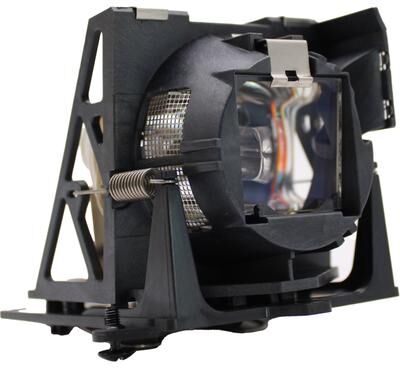
Jaspertronics™ Original Lamp & Housing for the 3D Perception X15E Projector - 1 Year WarrantyNew Jaspertronics™ Original Lamp & Housing Module for the following 3D Perception models: X15E Lamp Specifications Specifications Data Product Code X15E Part Type Lamp and Housing Warranty Industry Leading 1 Year Warranty Condition New Lamp Type...128,99 $*Shipping: 0,00 $Secure redirect to the provider
-
Jaspertronics™ Original Lamp & Housing for the 3D Perception X30E Projector - 1 Year WarrantyNew Jaspertronics™ Original Lamp & Housing Module for the following 3D Perception models: X30E Lamp Specifications Specifications Data Product Code X30E Part Type Lamp and Housing Warranty Industry Leading 1 Year Warranty Condition New Lamp Type...128,99 $*Shipping: 0,00 $Secure redirect to the provider
-
Is our perception real?
Our perception is a subjective interpretation of the world around us, influenced by our senses, experiences, and beliefs. While our perception feels real to us, it is important to recognize that it is not always an accurate representation of objective reality. Our perception can be influenced by cognitive biases, cultural conditioning, and individual differences, leading to variations in how different people perceive the same situation. Therefore, while our perception is real to us, it may not always align with an objective reality. **
-
What is mental perception?
Mental perception refers to the process by which the mind interprets and makes sense of sensory information from the environment. It involves the brain's ability to organize and interpret incoming stimuli, such as sights, sounds, and smells, in order to form a coherent understanding of the world around us. Mental perception also includes the ability to recognize patterns, make judgments, and form mental representations of the external world. This process is essential for our ability to navigate and interact with our surroundings. **
-
What are perception disorders?
Perception disorders are conditions that affect the way a person interprets and processes sensory information from their environment. This can include visual, auditory, tactile, olfactory, and gustatory perceptions. People with perception disorders may experience distortions in their sensory experiences, such as seeing or hearing things that are not there, or having difficulty recognizing familiar objects or faces. These disorders can have a significant impact on a person's daily functioning and may require treatment and support from healthcare professionals. **
-
What is cognitive perception?
Cognitive perception refers to the process by which individuals interpret and make sense of sensory information from their environment. It involves the mental processes of attention, memory, and reasoning to understand and interpret the world around us. Cognitive perception is influenced by factors such as past experiences, beliefs, and expectations, which can shape how we perceive and interpret sensory input. This process is essential for understanding and interacting with the world, as it allows us to make sense of the information we receive through our senses. **
* All prices are inclusive of VAT and, if applicable, plus shipping costs. The offer information is based on the details provided by the respective shop and is updated through automated processes. Real-time updates do not occur, so deviations can occur in individual cases. ** Note: Parts of this content were created by AI.