Buy pratiques.eu ?
We are moving the project
pratiques.eu .
Are you interested in purchasing the domain
pratiques.eu ?
domain@kv-gmbh.de · 0541-91531010
Buy pratiques.eu ?
What are modal verbs in English?
Modal verbs in English are a type of auxiliary verb that express necessity, possibility, ability, or permission. Some common modal verbs include can, could, may, might, must, shall, should, will, and would. They are used to modify the main verb in a sentence to indicate the speaker's attitude or opinion towards the action being described. Modal verbs do not have a past or future tense, and they are followed by the base form of the main verb. **
Is the preposition causal or modal?
The preposition can be either causal or modal, depending on the context in which it is used. A causal preposition indicates a cause-and-effect relationship between two elements, while a modal preposition expresses the manner, means, or possibility of an action. It is important to consider the specific meaning and function of the preposition in the sentence to determine whether it is causal or modal. **
Similar search terms for Modal
Top-Angebote
Products related to Modal:




-
How can one identify modal verbs in sentences?
Modal verbs can be identified in sentences by looking for words that express possibility, necessity, or ability. Common modal verbs include can, could, may, might, must, shall, should, will, and would. These verbs are often followed by a base form of a verb and can indicate the speaker's attitude or the likelihood of an action taking place. Additionally, modal verbs do not have an -s ending in the third person singular form and do not have a past participle form. **
-
What are modal verbs? I need help quickly.
Modal verbs are a type of auxiliary verb that express modality, which is the speaker's attitude towards the likelihood or necessity of an action. Examples of modal verbs include can, could, may, might, must, shall, should, will, and would. These verbs are used to indicate ability, possibility, permission, obligation, or future intention in a sentence. They are often followed by a base form of a main verb and can change the meaning of a sentence depending on the modal verb used. **
-
Can you please help me with modal causality?
Modal causality refers to the relationship between a cause and its effect in terms of necessity, possibility, or impossibility. It involves understanding the modalities of necessity, contingency, and impossibility in relation to causal relationships. For example, if A causes B, we can ask whether B necessarily follows from A, whether it is possible for B to result from A, or whether it is impossible for B to result from A. Understanding modal causality can help us analyze the strength and nature of causal connections in various contexts. **
-
Is "sehr" an adverb or a modal verb?
"Sehr" is an adverb, not a modal verb. It is used to intensify the meaning of an adjective or adverb, such as in the phrase "sehr gut" (very good). Modal verbs, on the other hand, are a specific category of verbs that express necessity, possibility, or permission, such as "can," "must," or "should." **


Is it an adjective or a modal adverb?
An adjective is a word that describes or modifies a noun or pronoun, while a modal adverb is a word that modifies a verb, an adjective, or another adverb to indicate the speaker's attitude towards the action or state expressed by the verb. Adjectives typically answer the question "What kind?" or "Which one?" while modal adverbs answer the question "How?" or "To what extent?" **
How do perfect forms work with modal verbs?
Perfect forms work with modal verbs to express different shades of meaning. When a perfect form (such as "have" + past participle) is combined with a modal verb (such as "can," "could," "may," "might," "must," "shall," "should," "will," "would"), it indicates the completion or possibility of an action in the past, present, or future. For example, "I must have finished my homework" indicates a strong possibility that the action of finishing homework has been completed. Similarly, "She may have gone to the store" suggests the possibility that she went to the store. **
Top-Angebote
Products related to Modal:
-
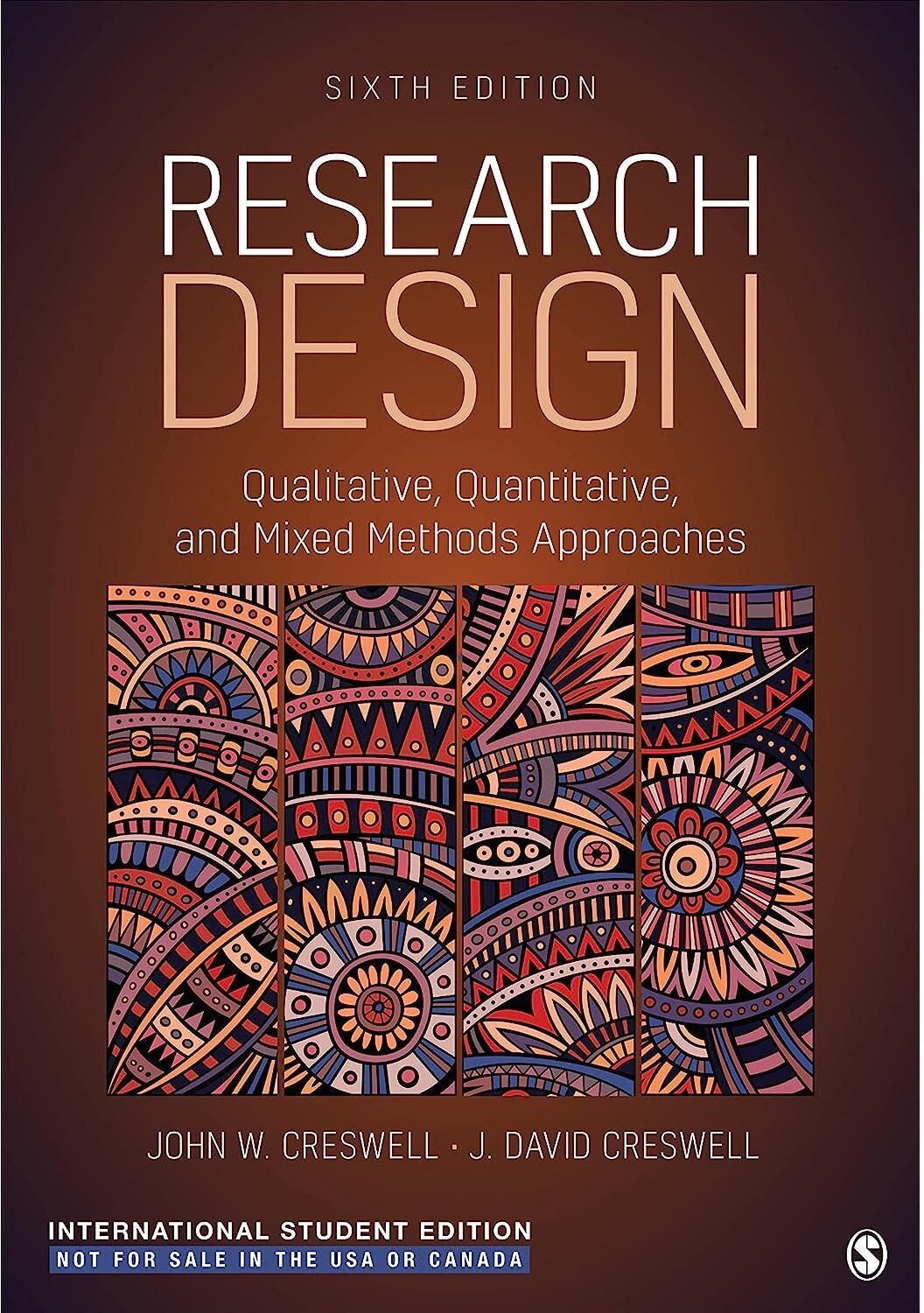
SAGE Publications Research Design - International Student Edition: Qualitative, Quantitative, and Mixed Methods ApproachesThe new edition of the best-selling text, Research Design: Qualitative, Quantitative, and Mixed Methods Approaches, continues the pioneering tradition of providing clear and concise instruction for understanding research and developing proposals for all three approaches. John W. Creswell and co-author J. David Creswell include a preliminary consideration of philosophical assumptions, a review of the literature, an assessment of the use of theory in research approaches, and reflections about the importance of writing and ethics in scholarly inquiry in a way that is applicable to all types of research. Key elements of the research process, giving specific attention to each approach. The book has been lauded for its language and tone, which are both accessible and inviting. It is a text that students keep and continue to use as a resource throughout their studies, once the specific class is over. The Sixth Edition includes more coverage of community-based participatory research, comparisons of qualitative and quantitative research, an expanded glossary with basic terms, updated examples of social, behavioural, and health research, new coverage of ethical requirements, updated APA 7th edition coverage, and additional exercises aimed at research projects.59,95 £*Shipping: 0,00 £Secure redirect to the provider
-
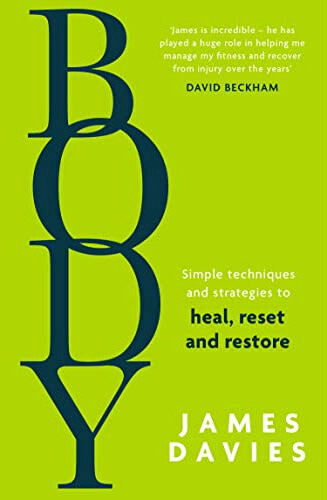
HQ Body: Simple techniques and strategies to heal, reset and restoreUltimate strategies to prevent pain and fuel your body to its fullest health potential. 'James is incredible - he has played a huge role in helping me manage my fitness and recover from injury over the years' David Beckham Simple techniques and strategies to HEAL From stress and anxiety, to everyday wear and tear and injury, life takes its toll on our bodies. Now, internationally renowned osteopath James Davies can help you heal your body. RESET With tips and tricks to help recognise, manage, and treat everyday aches and pains, this book will reset your approach to understanding your body. James presents a revolutionary blueprint for holistic body wellbeing. RESTORE Improve your wellbeing with exercises expertly designed to optimise your body. Enhance your health and mobility by understanding common conditions from arthritis and muscle strains, to IBS and stress, and empower yourself with the knowledge you need to achieve full-body health18,39 £*Shipping: 2,99 £Secure redirect to the provider
-
What are modal verbs in English?
Modal verbs in English are a type of auxiliary verb that express necessity, possibility, ability, or permission. Some common modal verbs include can, could, may, might, must, shall, should, will, and would. They are used to modify the main verb in a sentence to indicate the speaker's attitude or opinion towards the action being described. Modal verbs do not have a past or future tense, and they are followed by the base form of the main verb. **
-
Is the preposition causal or modal?
The preposition can be either causal or modal, depending on the context in which it is used. A causal preposition indicates a cause-and-effect relationship between two elements, while a modal preposition expresses the manner, means, or possibility of an action. It is important to consider the specific meaning and function of the preposition in the sentence to determine whether it is causal or modal. **
-
How can one identify modal verbs in sentences?
Modal verbs can be identified in sentences by looking for words that express possibility, necessity, or ability. Common modal verbs include can, could, may, might, must, shall, should, will, and would. These verbs are often followed by a base form of a verb and can indicate the speaker's attitude or the likelihood of an action taking place. Additionally, modal verbs do not have an -s ending in the third person singular form and do not have a past participle form. **
-
What are modal verbs? I need help quickly.
Modal verbs are a type of auxiliary verb that express modality, which is the speaker's attitude towards the likelihood or necessity of an action. Examples of modal verbs include can, could, may, might, must, shall, should, will, and would. These verbs are used to indicate ability, possibility, permission, obligation, or future intention in a sentence. They are often followed by a base form of a main verb and can change the meaning of a sentence depending on the modal verb used. **
Similar search terms for Modal
-
Can you please help me with modal causality?
Modal causality refers to the relationship between a cause and its effect in terms of necessity, possibility, or impossibility. It involves understanding the modalities of necessity, contingency, and impossibility in relation to causal relationships. For example, if A causes B, we can ask whether B necessarily follows from A, whether it is possible for B to result from A, or whether it is impossible for B to result from A. Understanding modal causality can help us analyze the strength and nature of causal connections in various contexts. **
-
Is "sehr" an adverb or a modal verb?
"Sehr" is an adverb, not a modal verb. It is used to intensify the meaning of an adjective or adverb, such as in the phrase "sehr gut" (very good). Modal verbs, on the other hand, are a specific category of verbs that express necessity, possibility, or permission, such as "can," "must," or "should." **
-
Is it an adjective or a modal adverb?
An adjective is a word that describes or modifies a noun or pronoun, while a modal adverb is a word that modifies a verb, an adjective, or another adverb to indicate the speaker's attitude towards the action or state expressed by the verb. Adjectives typically answer the question "What kind?" or "Which one?" while modal adverbs answer the question "How?" or "To what extent?" **
-
How do perfect forms work with modal verbs?
Perfect forms work with modal verbs to express different shades of meaning. When a perfect form (such as "have" + past participle) is combined with a modal verb (such as "can," "could," "may," "might," "must," "shall," "should," "will," "would"), it indicates the completion or possibility of an action in the past, present, or future. For example, "I must have finished my homework" indicates a strong possibility that the action of finishing homework has been completed. Similarly, "She may have gone to the store" suggests the possibility that she went to the store. **
* All prices are inclusive of VAT and, if applicable, plus shipping costs. The offer information is based on the details provided by the respective shop and is updated through automated processes. Real-time updates do not occur, so deviations can occur in individual cases. ** Note: Parts of this content were created by AI.