Buy pratiques.eu ?
We are moving the project
pratiques.eu .
Are you interested in purchasing the domain
pratiques.eu ?
domain@kv-gmbh.de · 0541-91531010
Buy pratiques.eu ?
What is an insulating porcelain insulator?
An insulating porcelain insulator is a type of electrical insulator made from porcelain material. It is designed to support and insulate electrical conductors, such as wires or cables, from the structure they are attached to. Porcelain insulators are known for their high mechanical strength, resistance to electrical and thermal stress, and ability to withstand harsh environmental conditions. They are commonly used in electrical power transmission and distribution systems to prevent the flow of electricity to the supporting structure. **
Does an insulator contain no charge carriers and does an insulator contain charge carriers that cannot move?
An insulator does contain charge carriers, but these charge carriers are typically bound to their atoms and cannot move freely within the material. This is why insulators do not conduct electricity well. The lack of free-moving charge carriers is what distinguishes insulators from conductors, where charge carriers are able to move easily. **
Similar search terms for Insulator
Top-Angebote
Products related to Insulator:
-
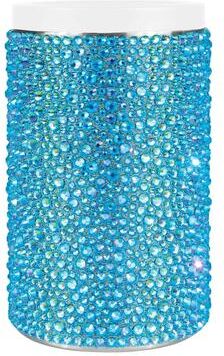
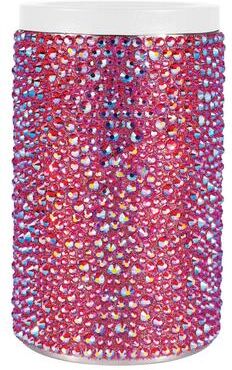
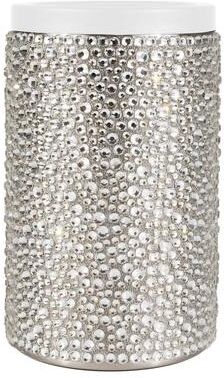
Sparkles Home Strass Rhinestone Can InsulatorIntroducing our Strass Can Insulator, because wherever you are, your drink deserves a touch of glam on the go! Designed for regular-sized aluminum cans, this blingy can insulator shines bright with genuine glass rhinestones.37,99 $*Shipping: 0,00 $Secure redirect to the provider
-
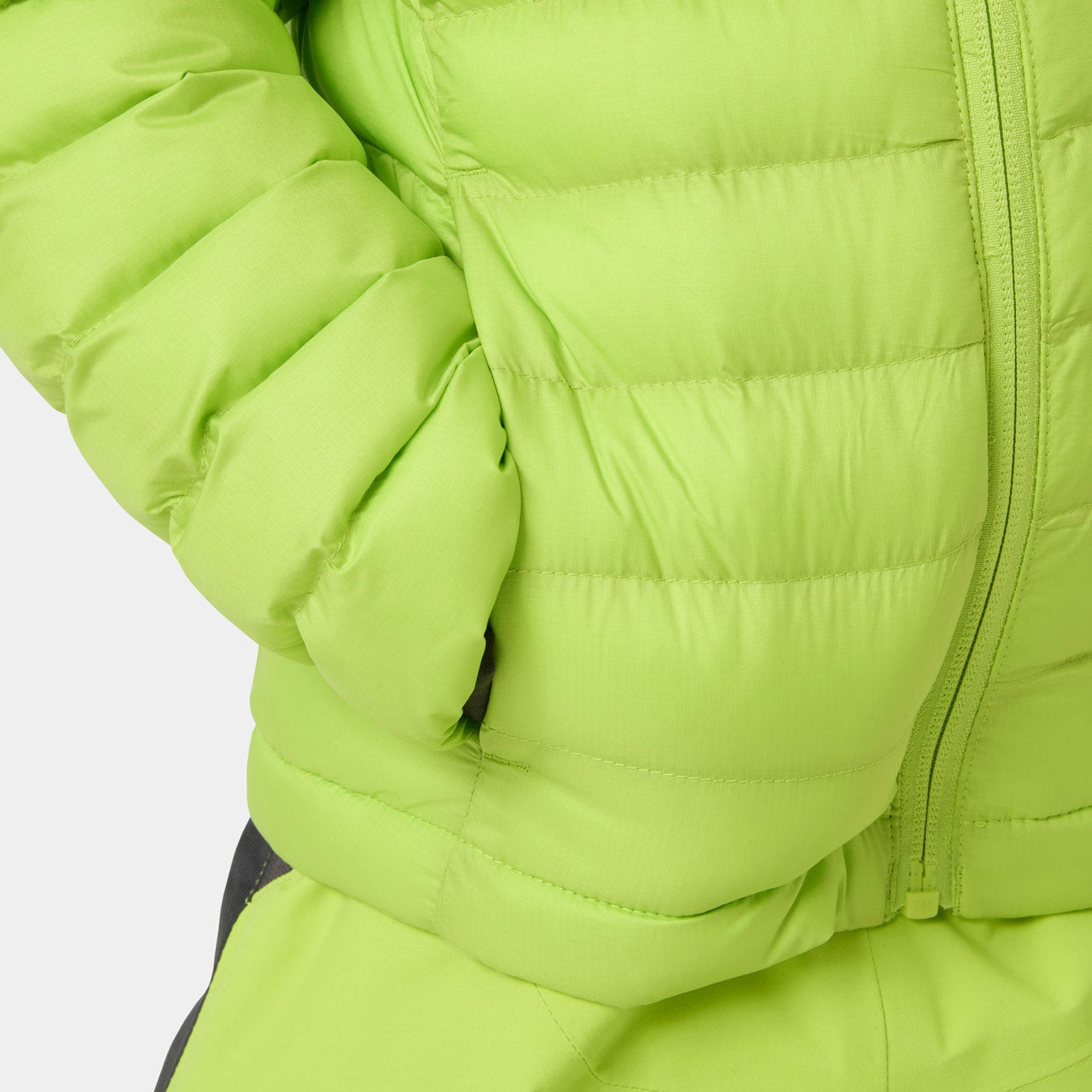
Helly Hansen Kids' Sirdal Insulator Jacket - Green - 6The Kids’ Sirdal Insulator Jacket is built to keep your little adventurers warm and comfortable when the chill hits. We made it with lightweight blowable synthetic insulation, making it perfect for layering or wearing on its own. Thoughtful features like a name tag and hand pockets add convenience and functionality, while the anti-chafe chin guard offers extra comfort.110,00 $*Shipping: 0,00 $Secure redirect to the provider
-
Sparkles Home Strass Rhinestone Can InsulatorIntroducing our Strass Can Insulator, because wherever you are, your drink deserves a touch of glam on the go! Designed for regular-sized aluminum cans, this blingy can insulator shines bright with genuine glass rhinestones.37,99 $*Shipping: 0,00 $Secure redirect to the provider

-
Is the universe a conductor or an insulator?
The universe as a whole can be considered an insulator. This is because the vast majority of space is a vacuum, which means it contains very few particles to conduct electricity. Additionally, the universe is filled with a variety of insulating materials such as gas, dust, and dark matter, which further inhibit the flow of electrical currents. However, there are regions within the universe, such as within stars and galaxies, where conductive materials and processes are present. **
-
Why is air no longer an ideal insulator at high voltage?
Air is no longer an ideal insulator at high voltage because at high voltages, the electric field strength in the air becomes so strong that it can cause the air molecules to ionize and become conductive. This breakdown of air insulation is known as dielectric breakdown, and it allows electricity to flow through the air, effectively reducing its insulating properties. As a result, at high voltages, air is no longer able to effectively prevent the flow of electricity, making it unsuitable as an insulator in high voltage applications. **
-
What is the connection between conductor, insulator, and high voltage conductor?
Conductors, insulators, and high voltage conductors are all related to the flow of electricity. Conductors are materials that allow the flow of electricity, while insulators are materials that do not allow the flow of electricity. High voltage conductors are specifically designed to carry high levels of electrical energy safely and efficiently. In electrical systems, conductors are used to carry the electrical current, while insulators are used to prevent the flow of electricity to unwanted areas. High voltage conductors are often made of materials that have high conductivity and are designed to handle the increased electrical load without overheating or breaking down. **
-
Am I afraid of getting an electric shock from an insulator?
No, insulators are designed to prevent the flow of electricity, so the risk of getting an electric shock from an insulator is very low. Insulators are used to isolate and protect conductive materials from electricity, so as long as the insulator is intact and functioning properly, there should be no fear of getting an electric shock from it. However, it is always important to exercise caution around electrical equipment and to follow proper safety procedures to minimize the risk of electric shock. **

What is the difference between a conductor and an insulator in physics?
In physics, a conductor is a material that allows the flow of electric current, due to the presence of free electrons that can move easily through the material. Examples of conductors include metals like copper and aluminum. On the other hand, an insulator is a material that does not allow the flow of electric current, as it has very few free electrons that can move. Examples of insulators include rubber, glass, and plastic. The main difference between conductors and insulators lies in their ability to conduct electricity, with conductors allowing the flow of current and insulators blocking it. **
Can aluminum foil be used as an insulator to keep food warm for longer?
Yes, aluminum foil can be used as an insulator to keep food warm for longer. When wrapped around the food, aluminum foil helps to trap the heat and prevent it from escaping, thus keeping the food warm for a longer period of time. It is important to ensure that the foil is wrapped tightly around the food to maximize its insulating properties. Additionally, using multiple layers of foil can further enhance its insulating capabilities. **
Top-Angebote
Products related to Insulator:
-
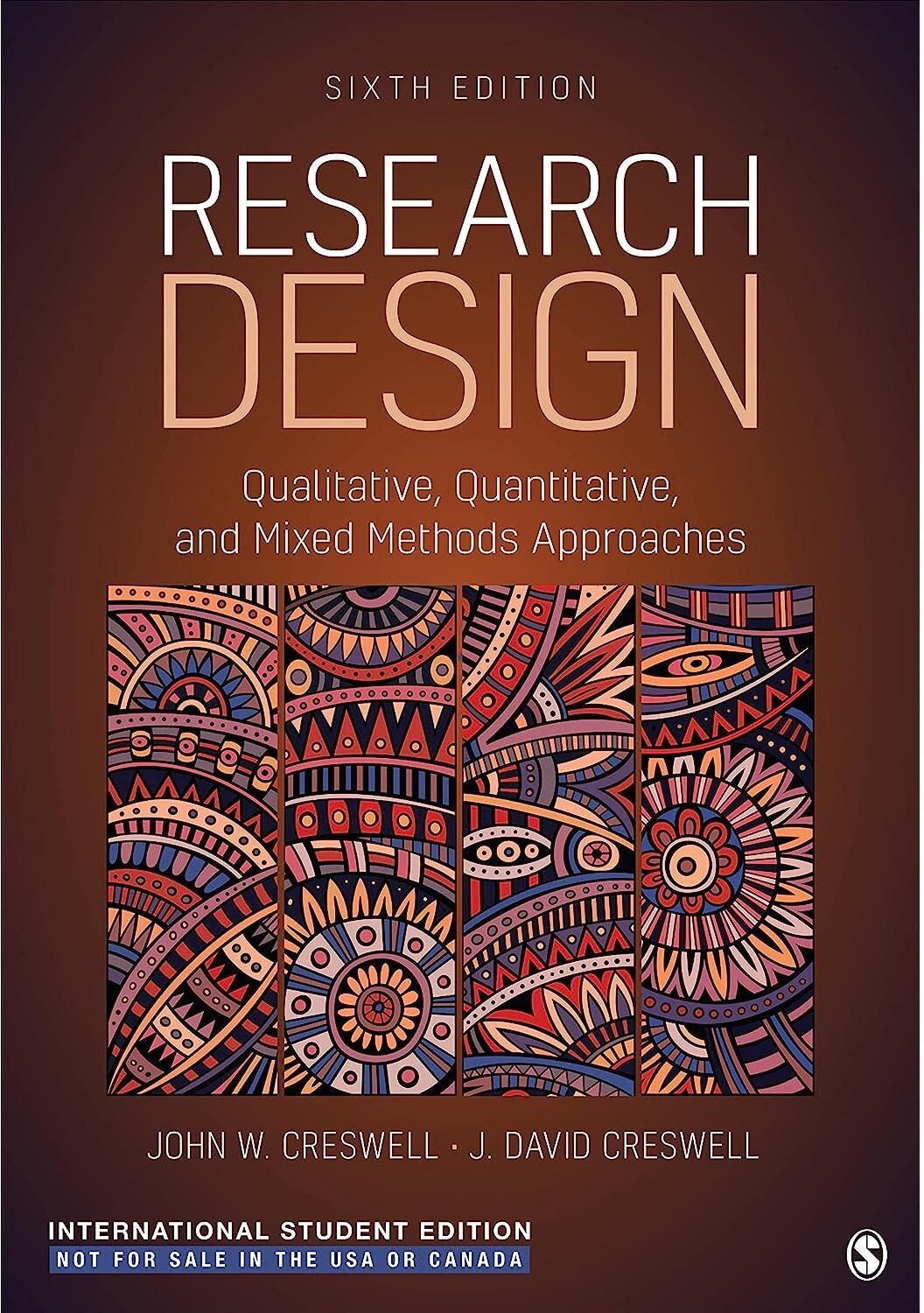
SAGE Publications Research Design - International Student Edition: Qualitative, Quantitative, and Mixed Methods ApproachesThe new edition of the best-selling text, Research Design: Qualitative, Quantitative, and Mixed Methods Approaches, continues the pioneering tradition of providing clear and concise instruction for understanding research and developing proposals for all three approaches. John W. Creswell and co-author J. David Creswell include a preliminary consideration of philosophical assumptions, a review of the literature, an assessment of the use of theory in research approaches, and reflections about the importance of writing and ethics in scholarly inquiry in a way that is applicable to all types of research. Key elements of the research process, giving specific attention to each approach. The book has been lauded for its language and tone, which are both accessible and inviting. It is a text that students keep and continue to use as a resource throughout their studies, once the specific class is over. The Sixth Edition includes more coverage of community-based participatory research, comparisons of qualitative and quantitative research, an expanded glossary with basic terms, updated examples of social, behavioural, and health research, new coverage of ethical requirements, updated APA 7th edition coverage, and additional exercises aimed at research projects.59,95 £*Shipping: 0,00 £Secure redirect to the provider
-
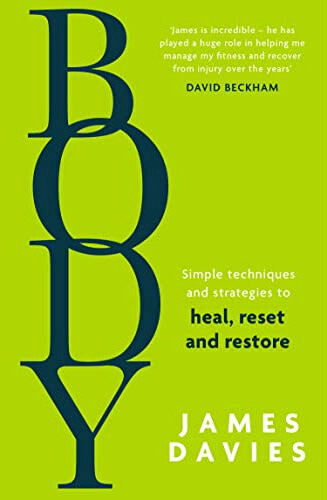
HQ Body: Simple techniques and strategies to heal, reset and restoreUltimate strategies to prevent pain and fuel your body to its fullest health potential. 'James is incredible - he has played a huge role in helping me manage my fitness and recover from injury over the years' David Beckham Simple techniques and strategies to HEAL From stress and anxiety, to everyday wear and tear and injury, life takes its toll on our bodies. Now, internationally renowned osteopath James Davies can help you heal your body. RESET With tips and tricks to help recognise, manage, and treat everyday aches and pains, this book will reset your approach to understanding your body. James presents a revolutionary blueprint for holistic body wellbeing. RESTORE Improve your wellbeing with exercises expertly designed to optimise your body. Enhance your health and mobility by understanding common conditions from arthritis and muscle strains, to IBS and stress, and empower yourself with the knowledge you need to achieve full-body health18,39 £*Shipping: 2,99 £Secure redirect to the provider
-
Sparkles Home Strass Rhinestone Can InsulatorIntroducing our Strass Can Insulator, because wherever you are, your drink deserves a touch of glam on the go! Designed for regular-sized aluminum cans, this blingy can insulator shines bright with genuine glass rhinestones.37,99 $*Shipping: 0,00 $Secure redirect to the provider
-
What is an insulating porcelain insulator?
An insulating porcelain insulator is a type of electrical insulator made from porcelain material. It is designed to support and insulate electrical conductors, such as wires or cables, from the structure they are attached to. Porcelain insulators are known for their high mechanical strength, resistance to electrical and thermal stress, and ability to withstand harsh environmental conditions. They are commonly used in electrical power transmission and distribution systems to prevent the flow of electricity to the supporting structure. **
-
Does an insulator contain no charge carriers and does an insulator contain charge carriers that cannot move?
An insulator does contain charge carriers, but these charge carriers are typically bound to their atoms and cannot move freely within the material. This is why insulators do not conduct electricity well. The lack of free-moving charge carriers is what distinguishes insulators from conductors, where charge carriers are able to move easily. **
-
Is the universe a conductor or an insulator?
The universe as a whole can be considered an insulator. This is because the vast majority of space is a vacuum, which means it contains very few particles to conduct electricity. Additionally, the universe is filled with a variety of insulating materials such as gas, dust, and dark matter, which further inhibit the flow of electrical currents. However, there are regions within the universe, such as within stars and galaxies, where conductive materials and processes are present. **
-
Why is air no longer an ideal insulator at high voltage?
Air is no longer an ideal insulator at high voltage because at high voltages, the electric field strength in the air becomes so strong that it can cause the air molecules to ionize and become conductive. This breakdown of air insulation is known as dielectric breakdown, and it allows electricity to flow through the air, effectively reducing its insulating properties. As a result, at high voltages, air is no longer able to effectively prevent the flow of electricity, making it unsuitable as an insulator in high voltage applications. **
Similar search terms for Insulator
-
Helly Hansen Kids' Sirdal Insulator Jacket - Green - 6The Kids’ Sirdal Insulator Jacket is built to keep your little adventurers warm and comfortable when the chill hits. We made it with lightweight blowable synthetic insulation, making it perfect for layering or wearing on its own. Thoughtful features like a name tag and hand pockets add convenience and functionality, while the anti-chafe chin guard offers extra comfort.110,00 $*Shipping: 0,00 $Secure redirect to the provider
-
Sparkles Home Strass Rhinestone Can InsulatorIntroducing our Strass Can Insulator, because wherever you are, your drink deserves a touch of glam on the go! Designed for regular-sized aluminum cans, this blingy can insulator shines bright with genuine glass rhinestones.37,99 $*Shipping: 0,00 $Secure redirect to the provider
-
What is the connection between conductor, insulator, and high voltage conductor?
Conductors, insulators, and high voltage conductors are all related to the flow of electricity. Conductors are materials that allow the flow of electricity, while insulators are materials that do not allow the flow of electricity. High voltage conductors are specifically designed to carry high levels of electrical energy safely and efficiently. In electrical systems, conductors are used to carry the electrical current, while insulators are used to prevent the flow of electricity to unwanted areas. High voltage conductors are often made of materials that have high conductivity and are designed to handle the increased electrical load without overheating or breaking down. **
-
Am I afraid of getting an electric shock from an insulator?
No, insulators are designed to prevent the flow of electricity, so the risk of getting an electric shock from an insulator is very low. Insulators are used to isolate and protect conductive materials from electricity, so as long as the insulator is intact and functioning properly, there should be no fear of getting an electric shock from it. However, it is always important to exercise caution around electrical equipment and to follow proper safety procedures to minimize the risk of electric shock. **
-
What is the difference between a conductor and an insulator in physics?
In physics, a conductor is a material that allows the flow of electric current, due to the presence of free electrons that can move easily through the material. Examples of conductors include metals like copper and aluminum. On the other hand, an insulator is a material that does not allow the flow of electric current, as it has very few free electrons that can move. Examples of insulators include rubber, glass, and plastic. The main difference between conductors and insulators lies in their ability to conduct electricity, with conductors allowing the flow of current and insulators blocking it. **
-
Can aluminum foil be used as an insulator to keep food warm for longer?
Yes, aluminum foil can be used as an insulator to keep food warm for longer. When wrapped around the food, aluminum foil helps to trap the heat and prevent it from escaping, thus keeping the food warm for a longer period of time. It is important to ensure that the foil is wrapped tightly around the food to maximize its insulating properties. Additionally, using multiple layers of foil can further enhance its insulating capabilities. **
* All prices are inclusive of VAT and, if applicable, plus shipping costs. The offer information is based on the details provided by the respective shop and is updated through automated processes. Real-time updates do not occur, so deviations can occur in individual cases. ** Note: Parts of this content were created by AI.