Buy pratiques.eu ?
We are moving the project
pratiques.eu .
Are you interested in purchasing the domain
pratiques.eu ?
domain@kv-gmbh.de · 0541-91531010
Buy pratiques.eu ?
What is the difference between potting soil, peat soil, vegetable soil, and grave soil?
Potting soil is a general-purpose soil mix that is suitable for growing a wide variety of plants in containers. It is typically a blend of organic materials such as peat moss, compost, and perlite or vermiculite for drainage. Peat soil, on the other hand, is made primarily of decomposed sphagnum moss and is often used to improve soil structure and water retention in garden beds. Vegetable soil is specifically formulated for growing vegetables and typically contains a balanced mix of nutrients and organic matter to support healthy vegetable growth. Grave soil, also known as topsoil, is a general-purpose soil used for filling in garden beds, leveling the ground, or creating new planting areas. It is typically a mix of sand, silt, and clay with added organic matter. **
Can coconut soil be mixed with regular potting soil?
Yes, coconut soil can be mixed with regular potting soil to create a well-draining and nutrient-rich growing medium for plants. Coconut soil, also known as coir or coco coir, is a sustainable and eco-friendly alternative to peat moss. When mixed with regular potting soil, coconut soil helps improve soil aeration, water retention, and nutrient absorption, making it a great option for gardening and container planting. **
Similar search terms for Soil
Top-Angebote
Products related to Soil:
-
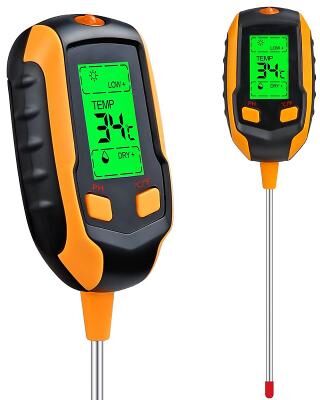
LightInthebox 4-in-1 Soil Moisture Meter Inspection Plant Temperature/Soil Moisture/Soil PH Meter/Sunlight Intensity Test Meter for Gardening Farming Indoor and Outdoor PlantsCategory:PH meter; Power Supply:4 × AA Batteries; Batteries Included:No; Features:Multi Function; Low Battery Indicator:no; Shipping Weight:0.15; Listing Date:02/03/2023; Production mode:External procurement28,99 $*Shipping: 5,53 $Secure redirect to the provider
-
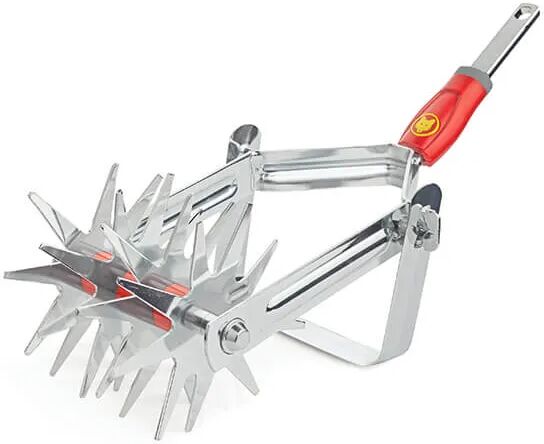
Wolf Garten Multi-Change Soil MillerThe Wolf Garten Multi-Change Soil Miller is suitable for breaking up soil into fine tilth, removing weeds and preparing your earth before planting and sowing seeds. This essential tool also helps to mix peat, manure or fertiliser into the soil with little effort. The rear blade provides stability whilst you work, making it ideal for larger areas. Designed to be used with your choice of handle (sold separately) with a simple push of the button and a gentle click. Made in Germany and complete with a 35 year manufacturers guarantee. Dimensions: 25(H) x 15(W) x 12(L)cm.52,19 £*Shipping: 0,00 £Secure redirect to the provider
-
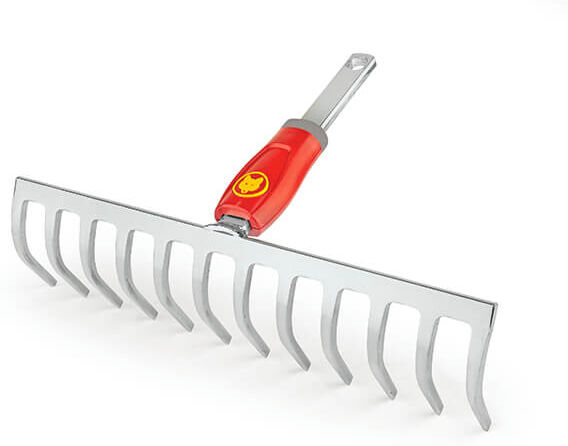
Wolf Garten Multi-Change 30cm Soil RakeThe Wolf Garten Multi-Change Soil Rake 30cm is the perfect all rounder for everyday gardening tasks. The high quality steel head has 12 curved teeth allowing easy soil penetration and ideal for clearing garden debris and loosening soil in preparation for planting. Designed to be used with your choice of handle (sold separately) with a simple push of the button and a gentle click. Made in Germany and complete with a 35 year manufacturers guarantee. Dimensions: 22(H) x 30(W) x 12(L)cm.23,39 £*Shipping: 3,50 £Secure redirect to the provider
-
NAVATEXTURA Sanction Multi Color Cracked Soil Abstract RugThis NAVATEXTURA Sanction Abstract Rug brings the look of cracked soil with the ivory and grey pattern on the background while brilliant jewel tones of blue, gold, pink, and burgundy make their way to the surface -- a treasure in waiting.198,99 $*Shipping: 0,00 $Secure redirect to the provider

-
Why are soil samples taken for possible soil contaminants?
Soil samples are taken for possible soil contaminants to assess the level of pollution and potential risks to human health and the environment. Contaminants such as heavy metals, pesticides, and industrial chemicals can accumulate in soil and pose a threat to ecosystems and human health. By analyzing soil samples, scientists and environmental professionals can identify the presence and concentration of contaminants, determine the extent of contamination, and develop appropriate remediation and management strategies to protect the environment and public health. **
-
What is the difference between compost soil and regular soil?
Compost soil is a mixture of organic matter that has decomposed, such as food scraps, yard waste, and other organic materials. It is rich in nutrients and beneficial microorganisms, making it a great soil amendment for improving soil structure and fertility. Regular soil, on the other hand, is the natural soil found in the ground, which may not be as nutrient-rich or have as many beneficial microorganisms as compost soil. Compost soil is often used to enhance regular soil for gardening and landscaping purposes. **
-
What is the difference between potting soil and herb soil?
Potting soil is a general-purpose soil mix that is suitable for a wide variety of plants, including herbs. It is typically a blend of organic materials such as peat moss, compost, and perlite, designed to provide good drainage and aeration for plant roots. Herb soil, on the other hand, is specifically formulated for growing herbs and may contain additional ingredients such as sand or vermiculite to improve drainage and provide the specific nutrients that herbs need to thrive. Herb soil is tailored to the specific needs of herbs, while potting soil is more of a general-purpose option for a wide range of plants. **
-
What is the difference between soil erosion and soil degradation?
Soil erosion refers to the physical removal of topsoil by wind, water, or other natural forces, leading to the loss of fertile soil. On the other hand, soil degradation is a broader term that encompasses various processes that deteriorate the quality of soil, such as chemical contamination, compaction, salinization, and nutrient depletion. While soil erosion is a specific type of soil degradation, soil degradation can occur through other means beyond just erosion. **

What is soil salinization and how can soil be irrigated?
Soil salinization is the accumulation of salts in the soil, which can negatively impact plant growth and crop productivity. To irrigate soil and help manage salinity levels, farmers can use techniques such as drip irrigation, which delivers water directly to the plant roots in a controlled manner, reducing the risk of salt buildup. Additionally, farmers can implement practices like leaching, where excess water is applied to the soil to flush out accumulated salts, helping to restore the soil's natural balance. **
What is soil salinization and how can the soil be irrigated?
Soil salinization is the accumulation of salts in the soil, which can negatively impact plant growth and crop productivity. This occurs when the natural process of salt accumulation in the soil exceeds the rate of salt removal. To irrigate the soil and reduce salinization, several methods can be used. One common method is leaching, where excess salts are flushed out of the soil by applying large amounts of water. Another method is to use salt-tolerant crops that can withstand the high salt levels in the soil. Additionally, improving drainage and using more efficient irrigation techniques can help prevent further soil salinization. **
Top-Angebote
Products related to Soil:
-
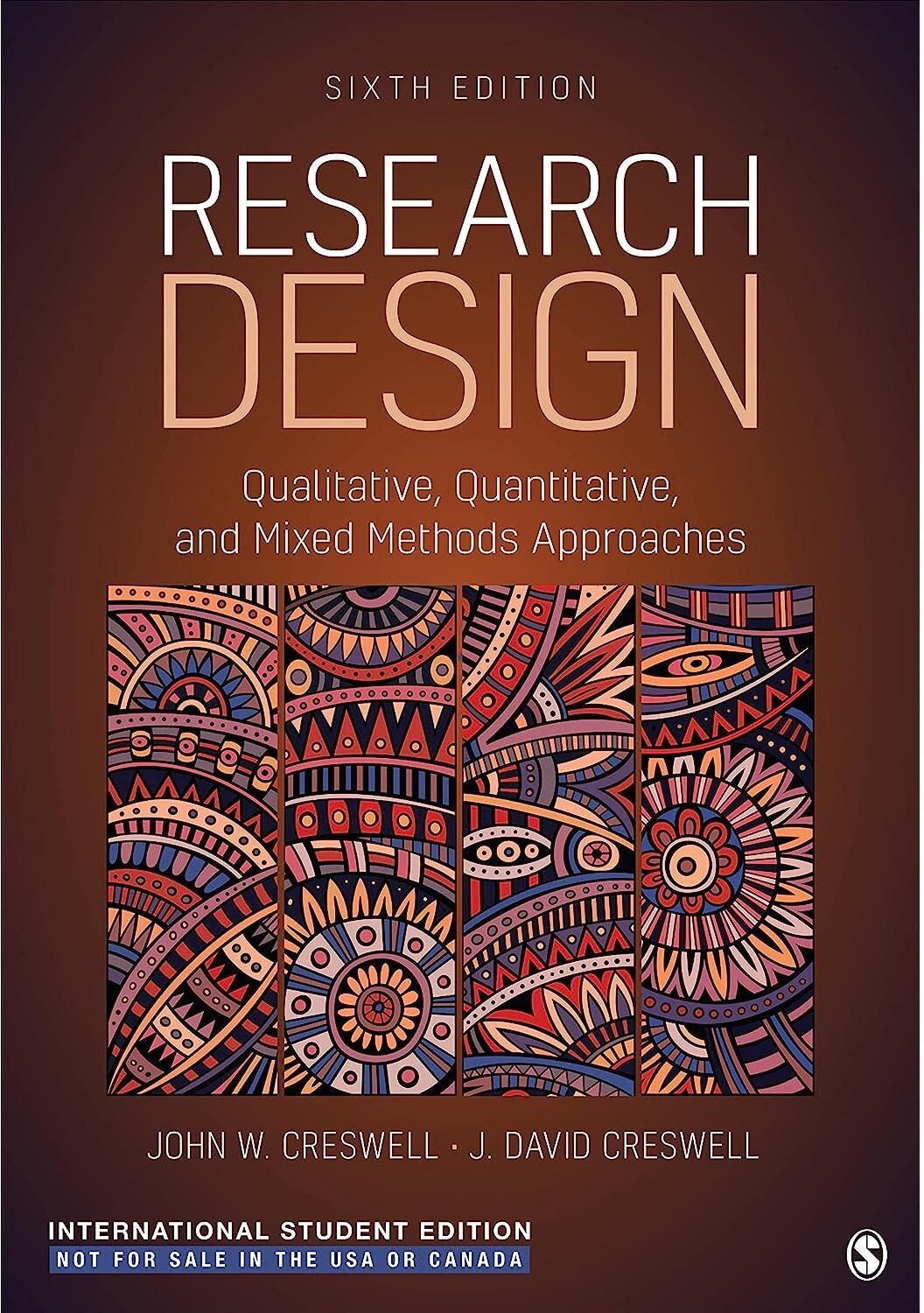
SAGE Publications Research Design - International Student Edition: Qualitative, Quantitative, and Mixed Methods ApproachesThe new edition of the best-selling text, Research Design: Qualitative, Quantitative, and Mixed Methods Approaches, continues the pioneering tradition of providing clear and concise instruction for understanding research and developing proposals for all three approaches. John W. Creswell and co-author J. David Creswell include a preliminary consideration of philosophical assumptions, a review of the literature, an assessment of the use of theory in research approaches, and reflections about the importance of writing and ethics in scholarly inquiry in a way that is applicable to all types of research. Key elements of the research process, giving specific attention to each approach. The book has been lauded for its language and tone, which are both accessible and inviting. It is a text that students keep and continue to use as a resource throughout their studies, once the specific class is over. The Sixth Edition includes more coverage of community-based participatory research, comparisons of qualitative and quantitative research, an expanded glossary with basic terms, updated examples of social, behavioural, and health research, new coverage of ethical requirements, updated APA 7th edition coverage, and additional exercises aimed at research projects.59,95 £*Shipping: 0,00 £Secure redirect to the provider
-
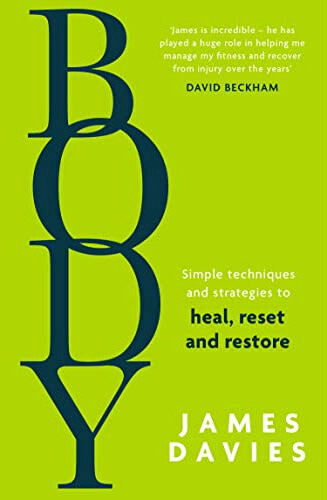
HQ Body: Simple techniques and strategies to heal, reset and restoreUltimate strategies to prevent pain and fuel your body to its fullest health potential. 'James is incredible - he has played a huge role in helping me manage my fitness and recover from injury over the years' David Beckham Simple techniques and strategies to HEAL From stress and anxiety, to everyday wear and tear and injury, life takes its toll on our bodies. Now, internationally renowned osteopath James Davies can help you heal your body. RESET With tips and tricks to help recognise, manage, and treat everyday aches and pains, this book will reset your approach to understanding your body. James presents a revolutionary blueprint for holistic body wellbeing. RESTORE Improve your wellbeing with exercises expertly designed to optimise your body. Enhance your health and mobility by understanding common conditions from arthritis and muscle strains, to IBS and stress, and empower yourself with the knowledge you need to achieve full-body health18,39 £*Shipping: 2,99 £Secure redirect to the provider
-
LightInthebox 4-in-1 Soil Moisture Meter Inspection Plant Temperature/Soil Moisture/Soil PH Meter/Sunlight Intensity Test Meter for Gardening Farming Indoor and Outdoor PlantsCategory:PH meter; Power Supply:4 × AA Batteries; Batteries Included:No; Features:Multi Function; Low Battery Indicator:no; Shipping Weight:0.15; Listing Date:02/03/2023; Production mode:External procurement28,99 $*Shipping: 5,53 $Secure redirect to the provider
-
Wolf Garten Multi-Change Soil MillerThe Wolf Garten Multi-Change Soil Miller is suitable for breaking up soil into fine tilth, removing weeds and preparing your earth before planting and sowing seeds. This essential tool also helps to mix peat, manure or fertiliser into the soil with little effort. The rear blade provides stability whilst you work, making it ideal for larger areas. Designed to be used with your choice of handle (sold separately) with a simple push of the button and a gentle click. Made in Germany and complete with a 35 year manufacturers guarantee. Dimensions: 25(H) x 15(W) x 12(L)cm.52,19 £*Shipping: 0,00 £Secure redirect to the provider
-
What is the difference between potting soil, peat soil, vegetable soil, and grave soil?
Potting soil is a general-purpose soil mix that is suitable for growing a wide variety of plants in containers. It is typically a blend of organic materials such as peat moss, compost, and perlite or vermiculite for drainage. Peat soil, on the other hand, is made primarily of decomposed sphagnum moss and is often used to improve soil structure and water retention in garden beds. Vegetable soil is specifically formulated for growing vegetables and typically contains a balanced mix of nutrients and organic matter to support healthy vegetable growth. Grave soil, also known as topsoil, is a general-purpose soil used for filling in garden beds, leveling the ground, or creating new planting areas. It is typically a mix of sand, silt, and clay with added organic matter. **
-
Can coconut soil be mixed with regular potting soil?
Yes, coconut soil can be mixed with regular potting soil to create a well-draining and nutrient-rich growing medium for plants. Coconut soil, also known as coir or coco coir, is a sustainable and eco-friendly alternative to peat moss. When mixed with regular potting soil, coconut soil helps improve soil aeration, water retention, and nutrient absorption, making it a great option for gardening and container planting. **
-
Why are soil samples taken for possible soil contaminants?
Soil samples are taken for possible soil contaminants to assess the level of pollution and potential risks to human health and the environment. Contaminants such as heavy metals, pesticides, and industrial chemicals can accumulate in soil and pose a threat to ecosystems and human health. By analyzing soil samples, scientists and environmental professionals can identify the presence and concentration of contaminants, determine the extent of contamination, and develop appropriate remediation and management strategies to protect the environment and public health. **
-
What is the difference between compost soil and regular soil?
Compost soil is a mixture of organic matter that has decomposed, such as food scraps, yard waste, and other organic materials. It is rich in nutrients and beneficial microorganisms, making it a great soil amendment for improving soil structure and fertility. Regular soil, on the other hand, is the natural soil found in the ground, which may not be as nutrient-rich or have as many beneficial microorganisms as compost soil. Compost soil is often used to enhance regular soil for gardening and landscaping purposes. **
Similar search terms for Soil
-
Wolf Garten Multi-Change 30cm Soil RakeThe Wolf Garten Multi-Change Soil Rake 30cm is the perfect all rounder for everyday gardening tasks. The high quality steel head has 12 curved teeth allowing easy soil penetration and ideal for clearing garden debris and loosening soil in preparation for planting. Designed to be used with your choice of handle (sold separately) with a simple push of the button and a gentle click. Made in Germany and complete with a 35 year manufacturers guarantee. Dimensions: 22(H) x 30(W) x 12(L)cm.23,39 £*Shipping: 3,50 £Secure redirect to the provider
-
NAVATEXTURA Sanction Multi Color Cracked Soil Abstract RugThis NAVATEXTURA Sanction Abstract Rug brings the look of cracked soil with the ivory and grey pattern on the background while brilliant jewel tones of blue, gold, pink, and burgundy make their way to the surface -- a treasure in waiting.198,99 $*Shipping: 0,00 $Secure redirect to the provider
-
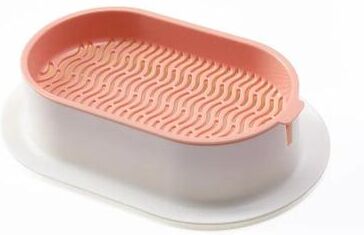
Uplift Essentials Soil Free Hydroponic Cat Grass Planter rosePromote your pets digestive wellness with a clean, messfree way to grow organic greens at home. This hydroponic cat grass box is a professionalgrade cultivation system designed to provide your feline with a fresh supply of nutrientrich fiber....59,97 $*Shipping: 0,00 $Secure redirect to the provider
-
NAVATEXTURA Sanction Multi Color Cracked Soil Abstract RugThis NAVATEXTURA Sanction Abstract Rug brings the look of cracked soil with the ivory and grey pattern on the background while brilliant jewel tones of blue, gold, pink, and burgundy make their way to the surface -- a treasure in waiting.865,99 $*Shipping: 0,00 $Secure redirect to the provider
-
What is the difference between potting soil and herb soil?
Potting soil is a general-purpose soil mix that is suitable for a wide variety of plants, including herbs. It is typically a blend of organic materials such as peat moss, compost, and perlite, designed to provide good drainage and aeration for plant roots. Herb soil, on the other hand, is specifically formulated for growing herbs and may contain additional ingredients such as sand or vermiculite to improve drainage and provide the specific nutrients that herbs need to thrive. Herb soil is tailored to the specific needs of herbs, while potting soil is more of a general-purpose option for a wide range of plants. **
-
What is the difference between soil erosion and soil degradation?
Soil erosion refers to the physical removal of topsoil by wind, water, or other natural forces, leading to the loss of fertile soil. On the other hand, soil degradation is a broader term that encompasses various processes that deteriorate the quality of soil, such as chemical contamination, compaction, salinization, and nutrient depletion. While soil erosion is a specific type of soil degradation, soil degradation can occur through other means beyond just erosion. **
-
What is soil salinization and how can soil be irrigated?
Soil salinization is the accumulation of salts in the soil, which can negatively impact plant growth and crop productivity. To irrigate soil and help manage salinity levels, farmers can use techniques such as drip irrigation, which delivers water directly to the plant roots in a controlled manner, reducing the risk of salt buildup. Additionally, farmers can implement practices like leaching, where excess water is applied to the soil to flush out accumulated salts, helping to restore the soil's natural balance. **
-
What is soil salinization and how can the soil be irrigated?
Soil salinization is the accumulation of salts in the soil, which can negatively impact plant growth and crop productivity. This occurs when the natural process of salt accumulation in the soil exceeds the rate of salt removal. To irrigate the soil and reduce salinization, several methods can be used. One common method is leaching, where excess salts are flushed out of the soil by applying large amounts of water. Another method is to use salt-tolerant crops that can withstand the high salt levels in the soil. Additionally, improving drainage and using more efficient irrigation techniques can help prevent further soil salinization. **
* All prices are inclusive of VAT and, if applicable, plus shipping costs. The offer information is based on the details provided by the respective shop and is updated through automated processes. Real-time updates do not occur, so deviations can occur in individual cases. ** Note: Parts of this content were created by AI.